
Dreaming of studying in Canada? You may need to rethink your plans!
Canada has announced major changes to its immigration system, and international students are among those most affected.
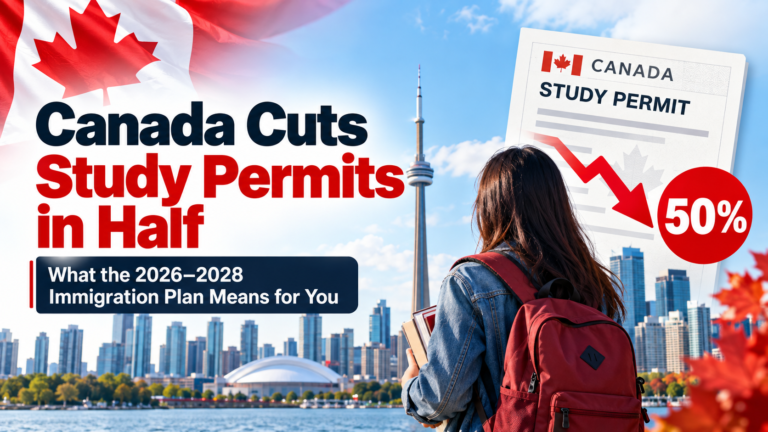
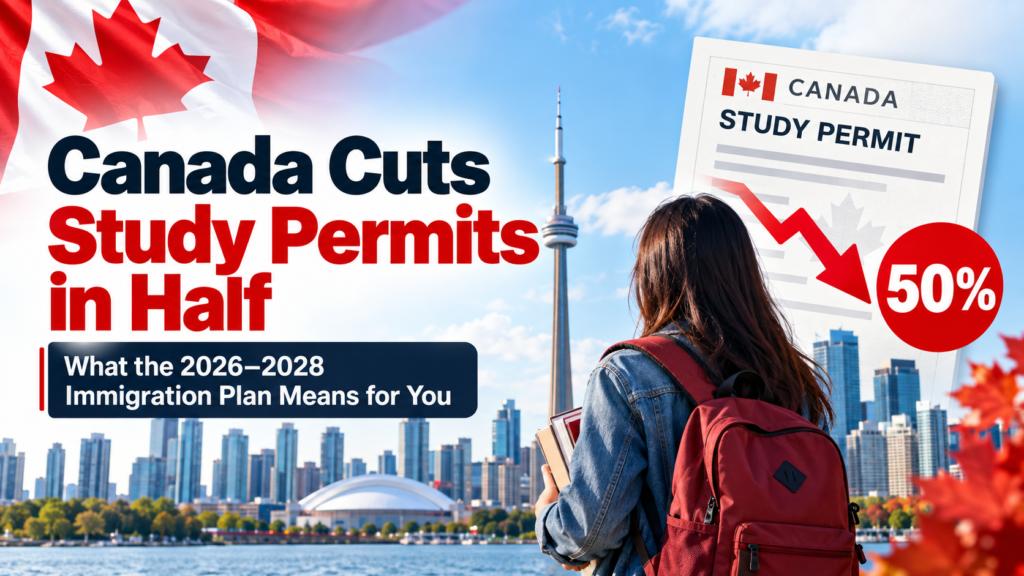
Under the Canada study permit cuts 2026, the government has reduced its target for new international student arrivals by almost 50% compared with the previous target.
Does this mean Canada is closing its doors to international students? Not exactly!
Canada is still welcoming students, but the government wants to control how many people enter the country and place greater emphasis on education quality, financial readiness, and long-term economic needs.
Let’s understand what these changes mean for your Canadian education and immigration journey.
Canada Study Permit Cuts 2026: What Has Changed?
The Canadian government’s 2026–2028 Immigration Levels Plan introduces a major reduction in the number of new international students expected to arrive in Canada.
Previously, Canada had planned for 305,900 new international student arrivals in 2026.
Under the revised plan, that number has dropped to just 155,000.
Here is how the new targets compare:
| Year | Target for New International Students |
|---|---|
| Previous 2026 target | 305,900 |
| Revised 2026 target | 155,000 |
| 2027 target | 150,000 |
| 2028 target | 150,000 |
That represents approximately a 49% reduction in the 2026 target.
However, there is an important distinction.
These numbers represent targets for new international student arrivals, not the total number of study permits issued.
For 2026, Immigration, Refugees and Citizenship Canada (IRCC) expects to issue up to 408,000 study permits, including approximately 253,000 permits for extensions and returning students.
So, while the reduction is significant, it does not mean Canada has stopped issuing study permits.
Why Is Canada Reducing Study Permits?
The Canada study permit cuts 2026 are part of a broader government strategy to manage population growth and reduce pressure on public services.
Over recent years, Canada has experienced challenges involving housing affordability, rental availability, healthcare services, and infrastructure.
The government has stated that immigration levels need to better match the country’s capacity to support newcomers.
One of its major objectives is to reduce the proportion of temporary residents to less than 5% of Canada’s total population by the end of 2027.
International students and temporary foreign workers are both included in this broader immigration strategy.
The goal is not to eliminate international education but to create a more controlled and sustainable immigration system.
What Do the Canada Study Permit Cuts 2026 Mean for New Students?
If you are planning to apply for a Canadian study permit, preparation is now more important than ever.
1. Fewer Places for New International Students
With lower arrival targets and limits on the number of applications accepted for processing, students may face greater competition for available opportunities.
Having an admission letter from a Canadian college or university does not automatically guarantee study permit approval.
Applicants must still satisfy IRCC’s immigration requirements.
2. Choosing the Right College or University Matters
Before paying tuition fees, students should verify that their institution is a Designated Learning Institution (DLI).
They should also check whether their chosen program qualifies for a Post-Graduation Work Permit (PGWP), if working in Canada after graduation is part of their plan.
Remember, not every DLI or academic program provides PGWP eligibility.
3. Strong Financial Documentation Is Essential
International students must demonstrate that they can financially support themselves during their studies.
This generally includes sufficient funds for tuition, living expenses, and transportation.
Students should ensure that their financial documents are genuine, consistent, and supported by a clear explanation of the source of funds.
4. Your Study Plan Should Make Sense
Why have you chosen Canada? Why this particular program? How does it connect with your previous education or work experience?
These are important questions.
A well-prepared application should clearly explain your educational goals, career plans, and reasons for choosing the program.
A study permit remains a temporary resident document, so applicants must also satisfy the officer that they meet the requirements for temporary residence.
Are Master’s and PhD Students Affected by the New Rules?
There is some encouraging news for students interested in higher education.
Starting January 1, 2026, students enrolling in eligible master’s or doctoral degree programs at public DLIs are exempt from the provincial or territorial attestation letter (PAL/TAL) requirement.
This is an important benefit under the Canada study permit cuts 2026.
However, an exemption from the PAL/TAL requirement does not mean automatic study permit approval.
Students must still meet the applicable immigration requirements.
Canada continues to emphasize attracting highly skilled students, researchers, and graduates who can contribute to innovation and economic development.
What About Students Already Studying in Canada?
If you are already studying in Canada, there is no need to assume that your existing study permit has been cancelled because of the new immigration targets.
The reduction primarily concerns new student arrivals.
Current students may continue studying as long as they maintain valid status and comply with their study permit conditions.
Students applying to extend their permits must still follow the applicable extension rules.
In certain circumstances, students extending their study permits at the same DLI and the same level of study are exempt from the PAL/TAL requirement.
However, changing schools or programs may involve additional requirements.
It is important to review the rules before making any changes to your studies.
Will the Canada Study Permit Cuts 2026 Affect PGWP Eligibility?
This is one of the biggest concerns among international students.
Many students choose Canada because they hope to gain Canadian work experience after graduation.
However, studying in Canada does not automatically guarantee a PGWP.
IRCC has introduced additional eligibility requirements, including language requirements and field-of-study restrictions for certain graduates.
Graduates of eligible bachelor’s, master’s, and doctoral degree programs are generally exempt from the PGWP field-of-study requirement, although other eligibility conditions still apply.
Students considering diploma or certificate programs should carefully verify whether their chosen field of study meets the applicable PGWP requirements.
Important: The 2026–2028 Immigration Levels Plan does not mean that every international graduate will lose access to a PGWP.
Eligibility depends on the student’s individual circumstances and the rules that apply to their program.
Does Studying in Canada Still Lead to Permanent Residence?
Yes, international graduates may still qualify for Canadian permanent residence, but completing a Canadian education does not guarantee PR.
Canada’s immigration system increasingly emphasizes skilled work experience, language ability, provincial labour market needs, and eligibility under specific immigration programs.
Potential pathways may include:
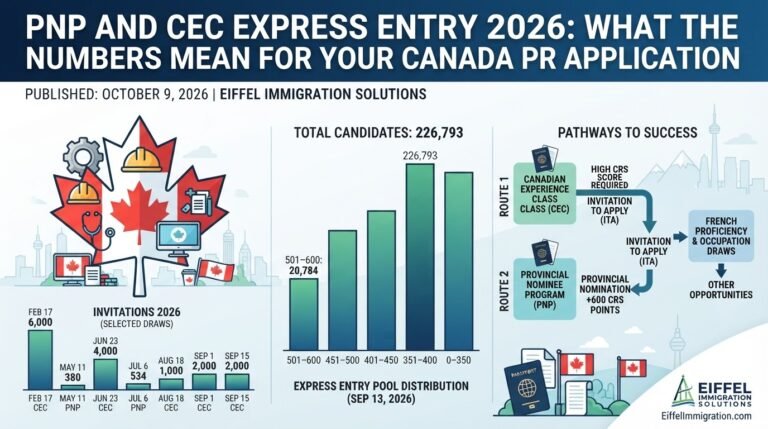
- Canadian Experience Class (CEC)
- Provincial Nominee Programs (PNPs)
- Express Entry category-based selection
- Other eligible federal or provincial immigration pathways
For example, a student who completes an eligible program, obtains a PGWP, and gains qualifying skilled Canadian work experience may become eligible for the Canadian Experience Class.
However, eligibility does not guarantee an invitation to apply or permanent residence approval.
Students should understand the requirements of their intended immigration pathway before choosing a course.
How Can Students Prepare for Canada Study Permit Cuts 2026?
If Canada is still your preferred study destination, careful planning can make a meaningful difference.
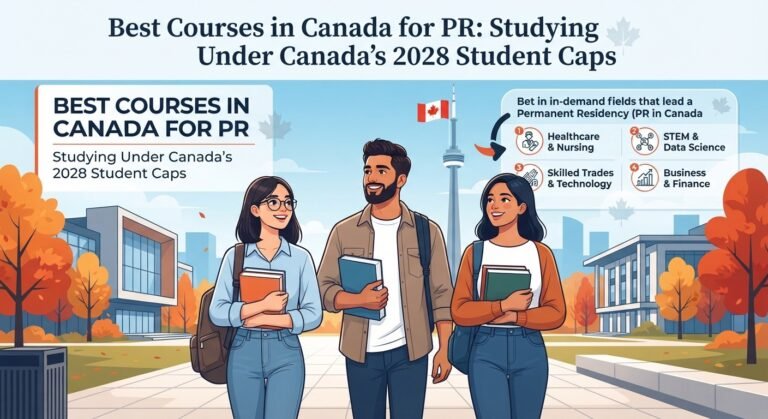
Choose your program carefully. Select an institution and course that align with your educational background, career goals, and future opportunities.
Check PGWP eligibility. Do not assume that every Canadian program will allow you to work after graduation.
Prepare your finances. Ensure that your tuition and living expenses are supported by appropriate financial evidence.
Understand the PAL/TAL rules. Check whether your application requires a provincial or territorial attestation letter.
Plan beyond graduation. Research potential employment and immigration pathways without assuming that permanent residence is guaranteed.
Most importantly, avoid making major financial decisions based only on promises that studying in Canada will automatically lead to a job or PR.
Final Thoughts: Is Canada Still Worth Considering in 2026?
The Canada study permit cuts 2026 represent a significant change for international students.
With the new student arrival target reduced from 305,900 to 155,000, Canada’s international education system is entering a more selective period.
However, Canada continues to welcome eligible international students, including those pursuing advanced education and research.
The key message is simple: Canada is not closing its doors to international students, but choosing the right educational pathway and preparing a strong application are more important than ever.
A successful Canadian education journey begins with realistic expectations, reliable information, and careful planning.
Disclaimer: This article provides general information based on publicly available IRCC policies and announcements as of October 2026. Immigration rules and eligibility requirements may change. Individual circumstances should be assessed before submitting an application.