

Ontario immigration applicants received a major surprise this week after the Ontario Immigrant Nominee Program (OINP) officially announced the revocation of all nine OINP streams effective May 30, 2026.
For thousands of international students, foreign workers, and employers across Canada, this announcement has created confusion, stress, and uncertainty about the future of provincial immigration pathways in Ontario.
If you are currently planning to apply under OINP, waiting for a draw, preparing documents, or hoping to receive a provincial nomination, you are probably asking the same question:
“What happens now?”
In this article, we break down what the OINP stream revocations mean, why Ontario is making these changes, and what applicants should do next.
What Happened?
This means the province has temporarily stopped accepting or processing applications under these streams while Ontario restructures and modernizes its provincial immigration system.
The move is part of Ontario’s broader effort to redesign immigration pathways to better align with labour shortages, economic priorities, and federal immigration reforms.
Which OINP Streams Were Revoked?
The revoked streams include several of Ontario’s most popular immigration pathways used by international graduates and skilled workers.
These include:
Employer Job Offer Streams
- Foreign Worker Stream
- International Student Stream
- In-Demand Skills Stream
Human Capital Streams
- Human Capital Priorities Stream
- Skilled Trades Stream
- French-Speaking Skilled Worker Stream
Business and Entrepreneur Streams
- Entrepreneur Stream
Masters and PhD Graduate Streams
- Master’s Graduate Stream
- PhD Graduate Stream
These streams have historically been among the most important immigration options for temporary residents in Ontario.
Why Is Ontario Revoking the Streams?
While the announcement sounds alarming, it does not necessarily mean Ontario is ending provincial immigration permanently.
Instead, Ontario appears to be restructuring its immigration system to respond to several major issues:
1. Increased Immigration Demand
Ontario has seen record-breaking numbers of international students and temporary foreign workers over the past few years.
As application volumes increased, the province faced:
- longer processing times,
- system backlogs,
- and increased pressure on nomination allocations from the federal government.
The current structure may no longer be able to handle the growing demand effectively.
2. Federal Immigration Changes
Canada’s immigration system has changed significantly since 2024.
Recent federal updates introduced:
- PGWP language requirements,
- field-of-study restrictions,
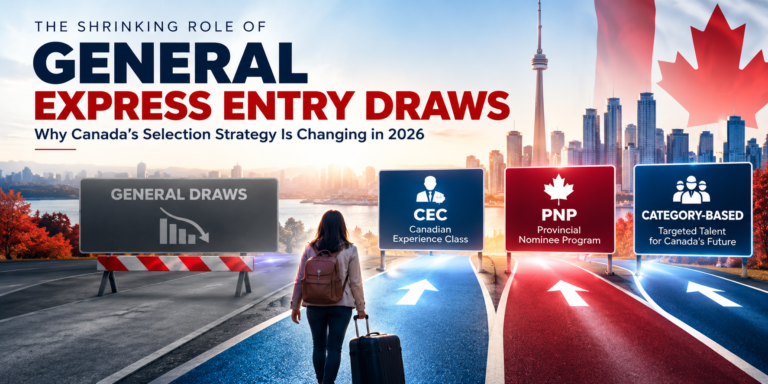
- category-based Express Entry draws,
- and stricter rules for international students.
Ontario may now be redesigning its immigration pathways to better align with federal priorities.
3. Labour Market Alignment
Ontario has repeatedly stated that immigration selection must better address real labour shortages.
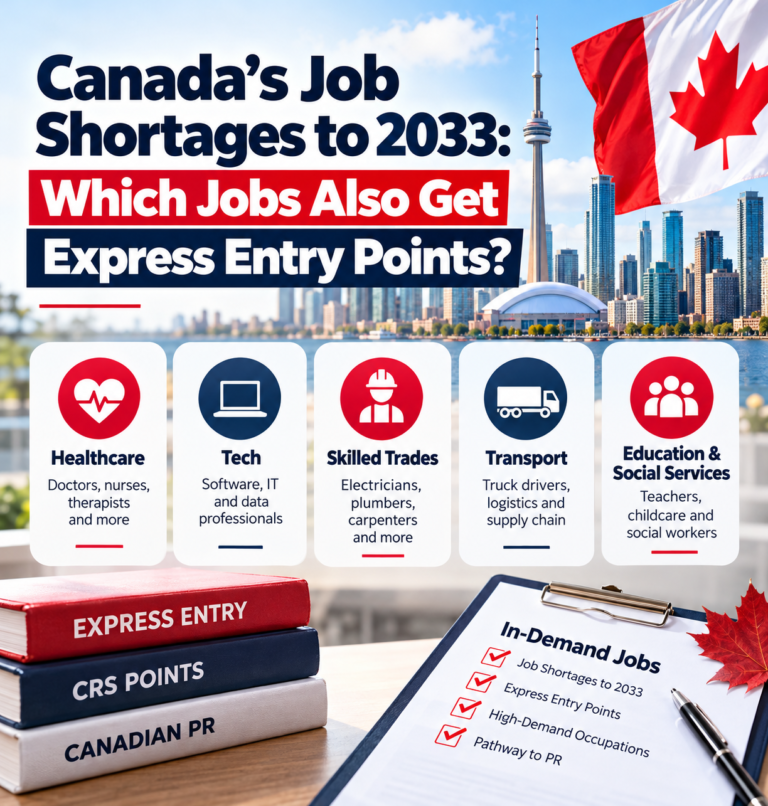
The province may introduce new targeted streams focused on:
- healthcare,
- skilled trades,
- technology,
- education,
- construction,
- and rural workforce shortages.
Instead of broad pathways, Ontario could move toward occupation-specific invitations.
What Happens to Existing Applications?
One of the biggest concerns among applicants is whether existing applications will still be processed.
At the moment, Ontario has indicated that applications submitted before May 30, 2026 may continue to be assessed under transitional policies.
However, applicants should expect:
- possible delays,
- policy updates,
- additional document requests,
- or changes in eligibility criteria.
If you already submitted an OINP application, it is extremely important to:
- regularly check your OINP portal,
- monitor email communication,
- and stay updated on official announcements.
What About People Waiting for OINP Draws?
Unfortunately, applicants who were waiting for future draws may be directly affected.
This includes candidates:
- in the Express Entry pool,
- with Ontario employer job offers,
- international graduates,
- and temporary foreign workers hoping for provincial nomination invitations.
Since the streams are revoked, new invitations under these pathways are currently paused unless Ontario launches replacement programs.
For many candidates, this creates uncertainty regarding:
- permanent residence planning,
- work permit expiry,
- CRS score strategies,
- and long-term settlement plans in Canada.
Will Ontario Introduce New Immigration Streams?
Most likely, yes.
Ontario is one of Canada’s largest immigrant-receiving provinces and heavily depends on immigration to support economic growth and labour shortages.
Experts believe Ontario may soon announce:
- redesigned immigration streams,
- targeted occupation-based selection,
- new employer-driven pathways,
- or updated graduate streams with stricter eligibility criteria.
Future pathways may place greater emphasis on:
- language ability,
- Canadian work experience,
- labour shortages,
- and regional economic needs.
Applicants should prepare for a more competitive immigration environment moving forward.
What Should Applicants Do Right Now?
While the situation is still developing, there are several important steps applicants should take immediately.
1. Maintain Valid Status in Canada
Do not rely solely on an expected OINP invitation.
Ensure your:
- work permit,
- study permit,
- visitor status,
- or maintained status remains valid.
Immigration pathways can change quickly, and maintaining legal status is critical.
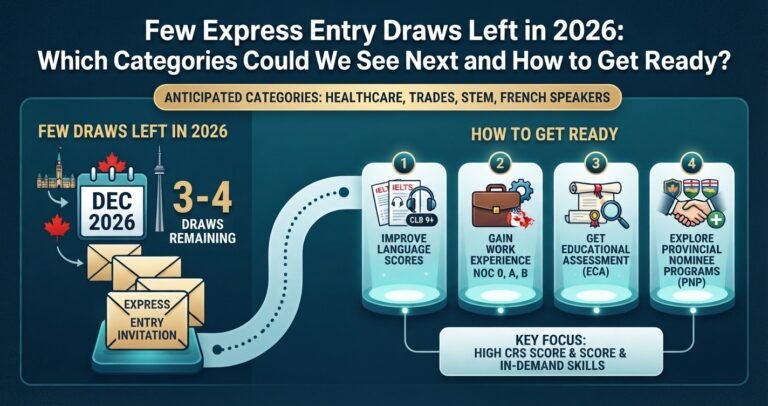
2. Improve Your CRS Score
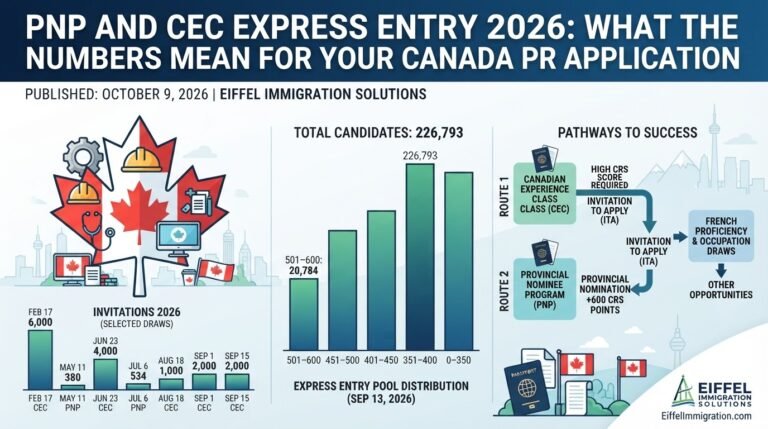
Since provincial nominations may temporarily slow down, improving your Express Entry profile becomes even more important.
Consider:
- retaking language tests,
- gaining additional work experience,
- improving French scores,
- or pursuing eligible education credentials.
Even a small CRS increase can improve your chances through federal draws.
3. Explore Alternative Immigration Programs
Applicants should also review other immigration pathways such as:
- Express Entry,
- Atlantic Immigration Program,
- Rural Community Immigration pilots,
- employer-sponsored LMIA pathways,
- or provincial programs in other provinces.
Limiting your immigration plan to only one province can be risky.
4. Stay Updated
Immigration policies are changing rapidly across Canada.
Rely only on official updates and trusted immigration professionals when making decisions about your future.
Avoid misinformation spreading on social media or unofficial forums.
What This Means for International Students
International students may be among the most affected groups.
For years, many graduates relied on:
- the Master’s Graduate Stream,
- International Student Stream,
- or Employer Job Offer pathways.
Now, students approaching graduation may need to:
- focus more heavily on Express Entry,
- secure stronger employment opportunities,
- improve language scores,
- and plan immigration strategies earlier.
The immigration landscape in Canada is becoming more competitive and policy-driven than ever before.
Final Thoughts
The revocation of all nine OINP streams on May 30, 2026 marks one of the biggest immigration changes Ontario has introduced in recent years.
Although the announcement has created uncertainty, it may also signal the beginning of a completely redesigned provincial immigration system focused on targeted labour market needs and stricter selection criteria.
For applicants, the most important thing right now is to stay informed, maintain legal status, and remain flexible with immigration planning.
Immigration policies in Canada continue to evolve rapidly, and applicants who adapt early will be in a stronger position moving forward.