
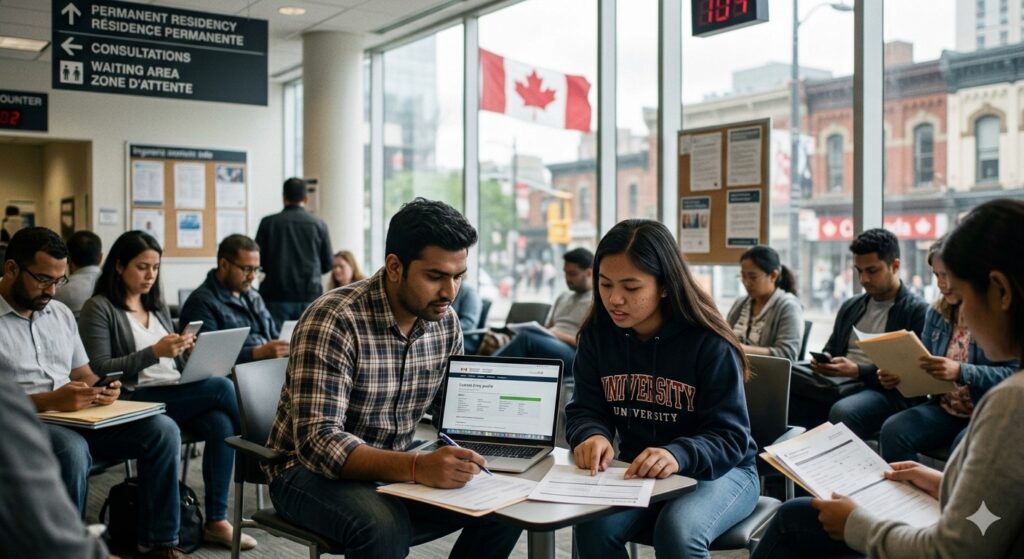
Canada has long been seen as one of the top destinations for immigrants looking to build a stable future. Every year, thousands of international students, skilled workers, and temporary residents come to Canada hoping to eventually secure Permanent Residency.
But halfway through 2026, many applicants are realizing that getting Permanent Residency is no longer as straightforward as it once seemed.
The immigration system has changed significantly over the last few years. CRS scores remain high, category-based draws are becoming more competitive, processing delays continue in some streams, and many candidates who once believed they had “safe scores” are now feeling uncertain about their future.
If you are currently working, studying, or living in Canada and waiting for your chance at Permanent Residency, you are not alone.
In this blog, we will break down why obtaining Permanent Residency in Canada is still challenging in 2026, what factors are making the process harder, and what applicants can do to improve their chances.
The Reality of Permanent Residency in 2026
At the beginning of 2026, many people expected immigration pathways to become easier because Canada continues to face labour shortages in several sectors.
However, the reality has been different.
While Canada is still welcoming immigrants, the competition for Permanent Residency has intensified. Immigration targets may be high, but so is the number of applicants entering the pool every month.
This means that simply qualifying for a program is no longer enough.
Today, applicants need:
- Higher CRS scores
- Stronger work experience
- Better language results
- Strategic planning
- Provincial nomination opportunities
- Category-based eligibility
Without these factors, many candidates are finding themselves stuck in the pool for months — and sometimes even years.
CRS Scores Continue to Create Pressure
One of the biggest reasons why getting Permanent Residency remains difficult is the consistently high CRS cut-off scores in Express Entry draws.
Many applicants who once believed scores in the low 470s or 480s were competitive are now seeing draws favor candidates with:
- Provincial nominations
- French-language abilities
- Healthcare experience
- Trade occupations
- Education-related occupations
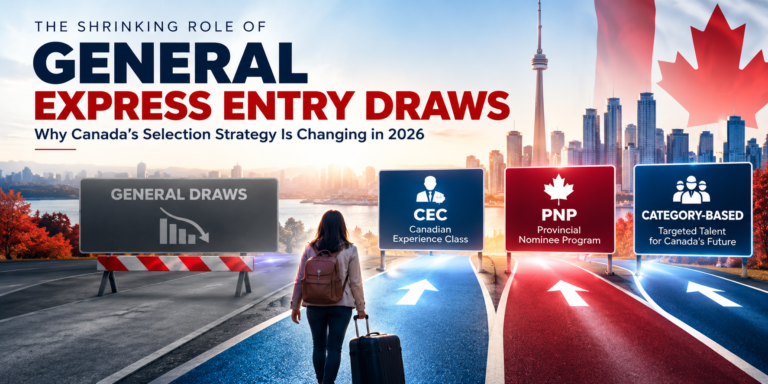
General draws have become less predictable, making it harder for regular applicants to estimate their chances.
For example:
- A candidate with one year of Canadian work experience may still struggle if their CRS score is not competitive enough.
- International graduates are finding that education alone does not guarantee Permanent Residency anymore.
- Temporary foreign workers are facing tougher competition from newer candidates entering the system.
As a result, many applicants feel stuck despite doing everything “right.”
Category-Based Draws Changed the Game
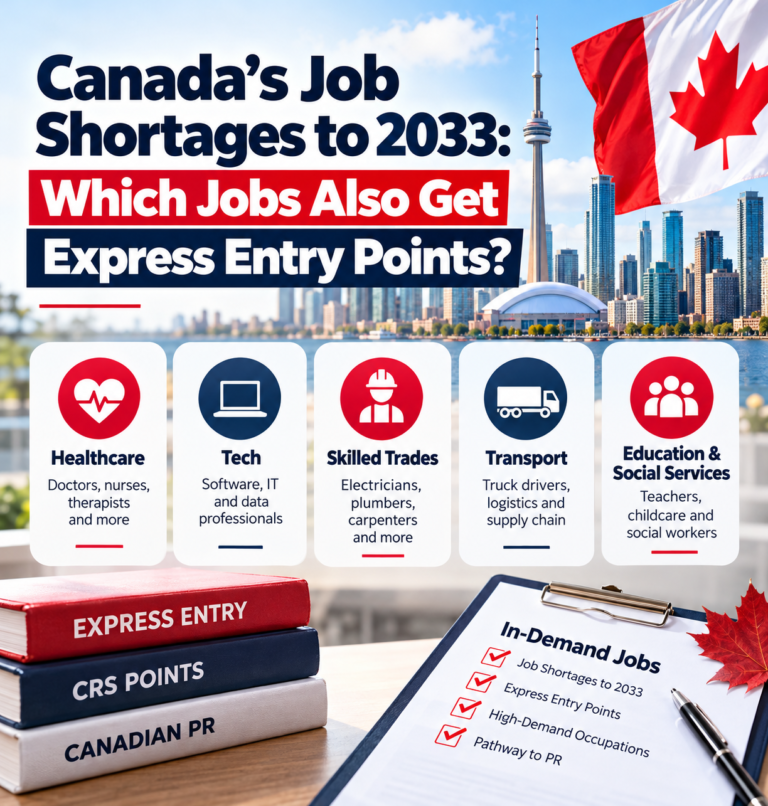
Canada introduced category-based draws to target workers in occupations facing labour shortages.
These draws focus on sectors such as:
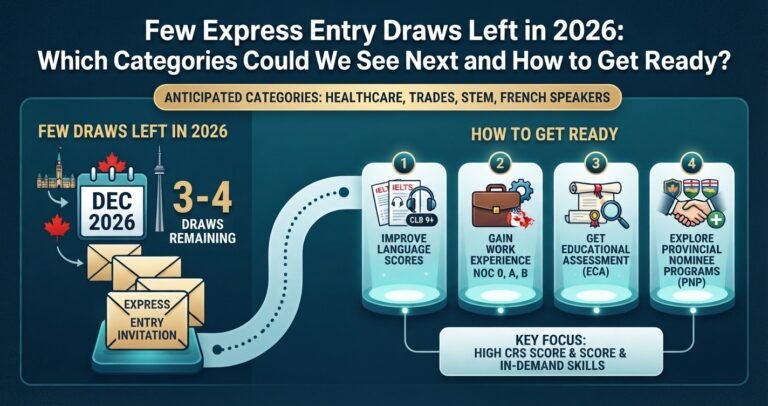
- French-language proficiency
- Healthcare and social services occupations
- Science, Technology, Engineering and Math (STEM) occupations
- Trade occupations
- Education occupations
- Transport occupations
- Physicians with Canadian work experience
- Senior managers with Canadian work experience
- Researchers with Canadian work experience
- Skilled military recruits
While this system has helped many applicants secure Permanent Residency, it has also created challenges for candidates outside those categories.
For example:
- A skilled worker in marketing or administration may have strong qualifications but may not qualify for targeted draws.
- Some candidates with high CRS scores are still waiting because their occupations are not currently prioritized.
- Applicants are now forced to think strategically about their careers and job choices to remain competitive.
This shift has changed how many people approach immigration planning.
International Students Are Facing More Uncertainty
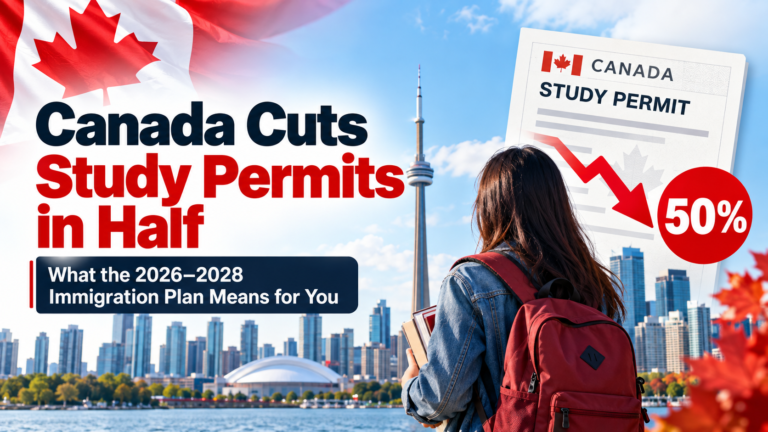
For years, studying in Canada was considered one of the easiest pathways to Permanent Residency.
But in 2026, international students are facing increasing uncertainty.
Several factors are contributing to this:
- Changes in PGWP eligibility
- Tougher competition for jobs
- Higher CRS requirements
- Increased scrutiny on private colleges
- Rising cost of living
Many graduates are discovering that completing a diploma or degree in Canada does not automatically lead to Permanent Residency.
In fact, some students are struggling to secure full-time skilled jobs after graduation, making it difficult to gain the Canadian work experience needed for Express Entry.
This has created stress for many students who invested significant time and money into their Canadian education journey.
Provincial Nominee Programs Are More Competitive
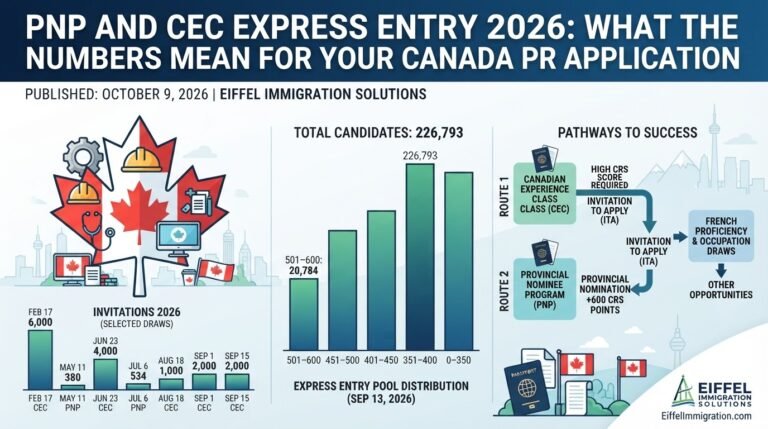
Provincial Nominee Programs (PNPs) continue to be one of the strongest pathways to Permanent Residency in Canada.
A provincial nomination can add 600 CRS points, almost guaranteeing an invitation.
However, PNP streams have also become more selective in 2026.
Many provinces are now prioritizing:
- Candidates already working in the province
- Workers in shortage occupations
- Applicants with employer support
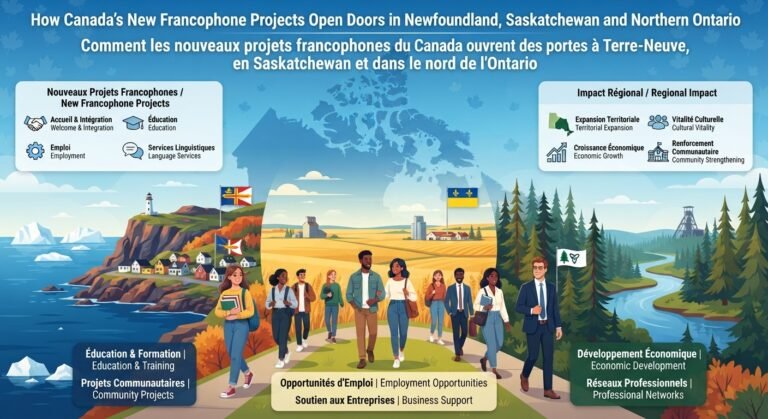
- French-speaking candidates
- Rural and regional applicants
This means not every applicant qualifies easily anymore.
Some streams open and close quickly, while others receive far more applications than available spots.
As a result, many candidates must actively monitor program updates and act quickly when opportunities arise.
Processing Delays and Backlogs Still Affect Applicants
Although Canada has improved immigration processing in many areas, delays and backlogs still affect several applicants.
Common concerns include:
- Delayed work permit extensions
- Long processing times for background checks
- Additional document requests
- Uncertainty with inland applications
- Delays in family sponsorship files
For many temporary residents, these delays create stress because their work permits or status may expire while waiting for updates.
Even after receiving an Invitation to Apply (ITA), the process toward Permanent Residency can still feel lengthy and unpredictable.
Cost of Living Is Becoming a Major Barrier
Another reason many people are struggling during their Permanent Residency journey is the rising cost of living in Canada.
Applicants are managing:
- High rent prices
- Increased tuition fees
- Expensive childcare
- Transportation costs
- Higher settlement expenses
For temporary residents, balancing immigration costs with daily living expenses has become extremely difficult.
Many applicants are also paying for:
- Language tests
- Credential assessments
- Legal representation
- Government processing fees
- Medical examinations
The financial pressure adds another layer of stress to an already competitive immigration process.
Mental Stress and Immigration Uncertainty
One topic that is often ignored is the emotional impact of the immigration process.
Many applicants spend years working toward Permanent Residency, only to face:
- Changing immigration policies
- CRS score fluctuations
- Delayed invitations
- Expiring permits
- Career uncertainty
This ongoing uncertainty affects mental health, family planning, and long-term stability.
Some applicants feel trapped between temporary status and permanent settlement goals.
Others are forced to make difficult decisions about:
- Changing jobs
- Moving provinces
- Learning French
- Returning to school
- Leaving Canada entirely
The emotional pressure behind the Permanent Residency process is very real for thousands of families across Canada.
What Can Applicants Do in 2026?
While the process is challenging, there are still ways to improve your chances of getting Permanent Residency in Canada.
Here are some important strategies:
Improve Your Language Scores
Strong IELTS or CELPIP scores can significantly increase CRS points.
Explore French-Language Pathways
French draws continue to create major opportunities for many applicants.
Gain Skilled Canadian Work Experience
Canadian experience remains one of the strongest factors in immigration selection.
Consider Provincial Programs
Many PNP streams target specific occupations and regional needs.
Stay Updated on Immigration Changes
Immigration policies can change quickly, so staying informed is critical.
Seek Professional Guidance
A proper immigration strategy can help identify pathways you may not know exist.
Final Thoughts
Halfway through 2026, one thing is clear: getting Permanent Residency in Canada is still possible — but it has become far more competitive and strategic than before.
The days of relying on basic eligibility alone are fading. Applicants now need stronger profiles, better planning, and a clear understanding of Canada’s evolving immigration system.
Despite the challenges, Canada continues to offer opportunities for skilled workers, international students, and families who are willing to adapt and plan carefully.
If you are currently waiting for your chance at Permanent Residency, remember that immigration is no longer just about qualifying — it is about positioning yourself strategically in an increasingly competitive system.