
For months now, Immigration, Refugees and Citizenship Canada (IRCC) has consistently issued 2,000 Invitations to Apply (ITAs) in many of its Express Entry draws. While candidates are undoubtedly happy to see invitations continue, many are beginning to ask an important question:
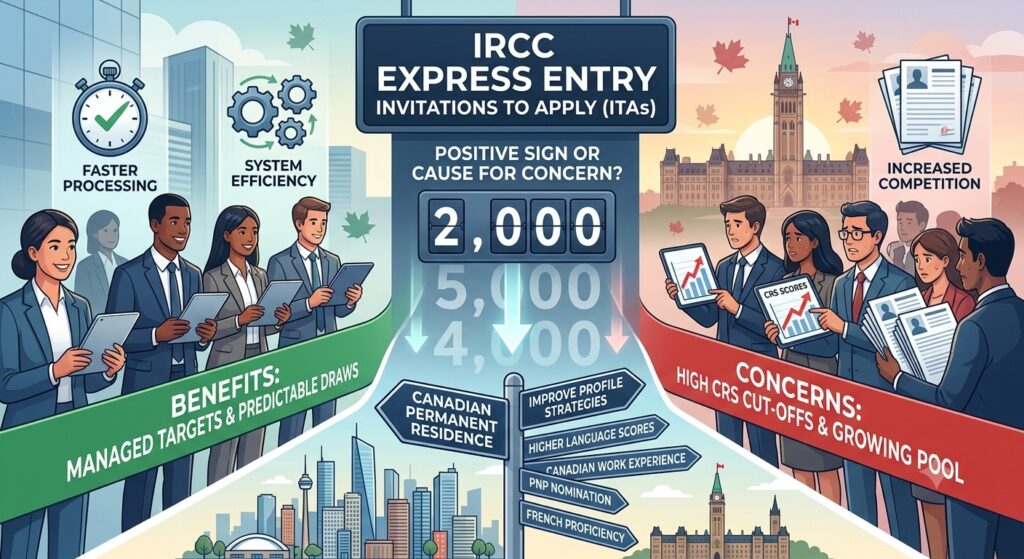
Is issuing 2,000 ITAs a positive sign for Canadian immigration, or should prospective immigrants be concerned?
The answer isn’t as straightforward as it may seem.
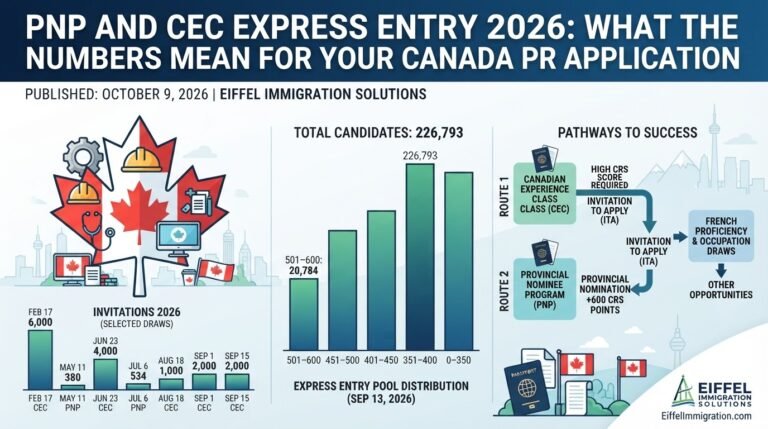
At first glance, receiving thousands of invitations every few weeks appears encouraging. However, when compared to previous years, the number of ITAs being issued is significantly lower than what many applicants had expected. Combined with rising Comprehensive Ranking System (CRS) scores and a highly competitive Express Entry pool, many candidates are wondering whether permanent residence is becoming harder to obtain.
Let’s examine what these 2,000 ITA draws really mean and what applicants should expect moving forward.
What Are ITAs?
An Invitation to Apply (ITA) is an official invitation issued by IRCC to eligible candidates in the Express Entry pool, allowing them to submit a complete application for Canadian permanent residence.
Receiving an ITA is one of the most important milestones in the immigration process. Without an invitation, candidates cannot proceed with their permanent residence application through Express Entry.
Every Express Entry draw announces:
- Number of ITAs issued
- CRS cut-off score
- Type of draw (CEC, Category-Based, PNP, etc.)
- Tie-breaking rule
These details determine which candidates receive invitations.
Why Is IRCC Consistently Issuing 2,000 ITAs?
There are several possible reasons why IRCC has maintained draws of approximately 2,000 ITAs.
1. Managing Annual Immigration Targets
Canada sets annual immigration targets through its Immigration Levels Plan.
Although Canada continues welcoming hundreds of thousands of new permanent residents every year, Express Entry is only one part of the overall immigration system. Family sponsorship, Provincial Nominee Programs (PNPs), refugees, and other immigration pathways also contribute to meeting these targets.
By issuing moderate numbers of ITAs, IRCC can better manage application inventories and avoid processing backlogs.
2. Maintaining Processing Standards
One lesson learned during previous years was that issuing too many invitations too quickly can create significant processing delays.
Smaller, consistent draws allow IRCC to process applications more efficiently while maintaining its service standards.
For applicants who receive an ITA, this may actually be beneficial because shorter processing times are often possible when application volumes remain manageable.
3. Increased Focus on Category-Based Selection
Since introducing category-based selection, IRCC has shifted its strategy.
Instead of issuing large all-program draws, the department now conducts targeted invitations for candidates working in priority occupations such as:
- Healthcare
- STEM
- Skilled Trades
- Transport
- French-language proficiency
- Education
- Agriculture (previously)
As a result, 2,000 ITAs may simply reflect a more focused immigration strategy rather than an overall reduction in immigration opportunities.
The Positive Side of Smaller ITA Draws
Although many applicants wish to see larger invitation rounds, issuing 2,000 ITAs does have several advantages.
Better Processing Times
Fewer applications entering the system at once helps IRCC process files more efficiently.
Applicants may receive decisions sooner than if massive invitation rounds created processing bottlenecks.
More Predictable Draws
Consistent draw sizes make Express Entry more predictable.
Candidates can better estimate future CRS trends instead of experiencing dramatic fluctuations.
Supports Labour Market Needs
Targeted ITAs allow Canada to invite workers in occupations where employers urgently need talent.
Rather than selecting candidates randomly, IRCC can address labour shortages more effectively.
Why Some Applicants Are Concerned
Despite these benefits, many Express Entry candidates remain worried.
CRS Scores Are Staying High
Perhaps the biggest concern is that smaller invitation rounds often mean higher CRS cut-off scores.
When only 2,000 ITAs are issued, many highly ranked candidates remain in the pool, preventing CRS scores from falling significantly.
For applicants with CRS scores below recent cut-offs, this creates uncertainty.
Growing Competition
Canada continues receiving thousands of new Express Entry profiles every month.
Highly educated international graduates, Canadian work permit holders, and skilled workers are constantly entering the pool.
When only 2,000 ITAs are issued per draw, competition naturally becomes more intense.
Longer Wait Times for Some Candidates
Applicants with mid-range CRS scores may now wait several months before receiving an invitation.
This can be particularly stressful for temporary residents whose work permits may expire while waiting for an ITA.
Should Express Entry Candidates Be Worried?
Not necessarily.
Although draw sizes remain relatively modest, Canada continues to rely heavily on immigration to address labour shortages, population growth, and economic development.
The key difference is that immigration is becoming increasingly strategic.
Instead of inviting as many candidates as possible, IRCC is selecting applicants who best match Canada’s current economic priorities.
For many candidates, improving their profile is becoming just as important as waiting for larger draws.
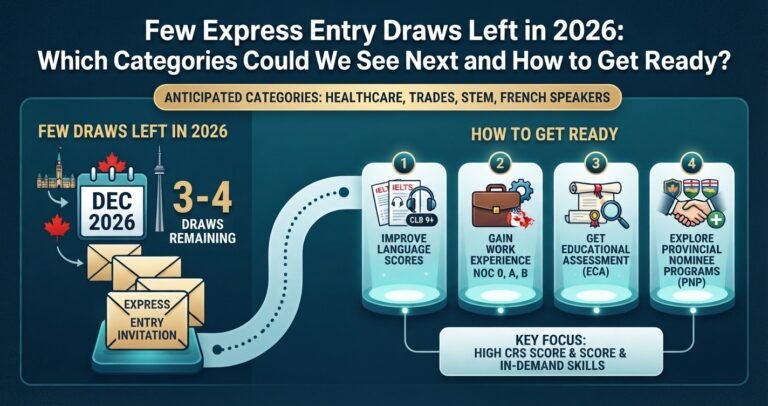
How Can You Improve Your Chances of Receiving an ITA?
Rather than focusing solely on draw sizes, applicants should concentrate on strengthening their Express Entry profile.
Some effective strategies include:
Improve Your Language Score
Increasing your IELTS or CELPIP results can significantly boost your CRS score.
Gain Additional Canadian Work Experience
Additional skilled work experience in Canada often results in valuable CRS points.
Learn French
French-language proficiency remains one of the strongest ways to increase competitiveness through category-based draws.
Pursue Higher Education
Completing another educational credential may increase your CRS score.
Explore Provincial Nominee Programs (PNPs)
Receiving a provincial nomination adds 600 CRS points, virtually guaranteeing an ITA in a future Express Entry draw.
What Can We Expect Going Forward?
It is difficult to predict exactly how many ITAs IRCC will issue in future draws.
However, several trends are likely to continue:
- Category-based selection will remain an important part of Express Entry.
- CRS scores may remain competitive if draw sizes do not increase.
- Provincial Nominee Programs will continue to play a major role in Canada’s immigration strategy.
- Candidates with Canadian work experience, strong language scores, or occupations in demand will likely remain the most competitive.
Future draw sizes will also depend on Canada’s annual immigration targets, processing capacity, and labour market needs.
Final Thoughts
The continued issuance of 2,000 ITAs should not automatically be viewed as either good or bad news. Instead, it reflects IRCC’s evolving approach to managing Canada’s immigration system.
While smaller draws can lead to higher CRS scores and increased competition, they also support more efficient processing and allow Canada to target candidates who meet its current economic priorities.
For applicants, the message is clear: waiting for larger draws may not be the best strategy. Instead, focus on strengthening your profile, improving your CRS score, and exploring alternative pathways such as Provincial Nominee Programs or category-based selection.
As Canada’s immigration landscape continues to evolve, staying informed and prepared will be the key to long-term success.
Need Help Maximizing Your Chances of Receiving an ITA?
Every point matters in today’s competitive Express Entry system. Whether you need help improving your CRS score, exploring Provincial Nominee Programs, qualifying for category-based draws, or preparing your permanent residence application, the right strategy can make all the difference.
At Eiffel Immigration Solutions, our experienced RCICs provide personalized immigration advice based on the latest IRCC policies and Express Entry trends. We help applicants identify the strongest pathway to Canadian permanent residence and prepare applications with confidence.