
If you are planning to immigrate to Canada through Express Entry, June 2026 has brought important developments that could significantly impact your immigration journey. Whether you are already in the Express Entry pool or preparing to create your profile, understanding the latest trends can help you make informed decisions and improve your chances of receiving an Invitation to Apply (ITA) for permanent residence.
As immigration consultants and advisors, we regularly see applicants worried about changing Comprehensive Ranking System (CRS) scores, category-based selections, and provincial nominations. The good news is that Canada continues to rely heavily on Express Entry to meet its economic immigration goals.
Let’s explore what June 2026 means for Express Entry candidates and how you can position yourself for success.
Canada Continues to Prioritize Skilled Immigration
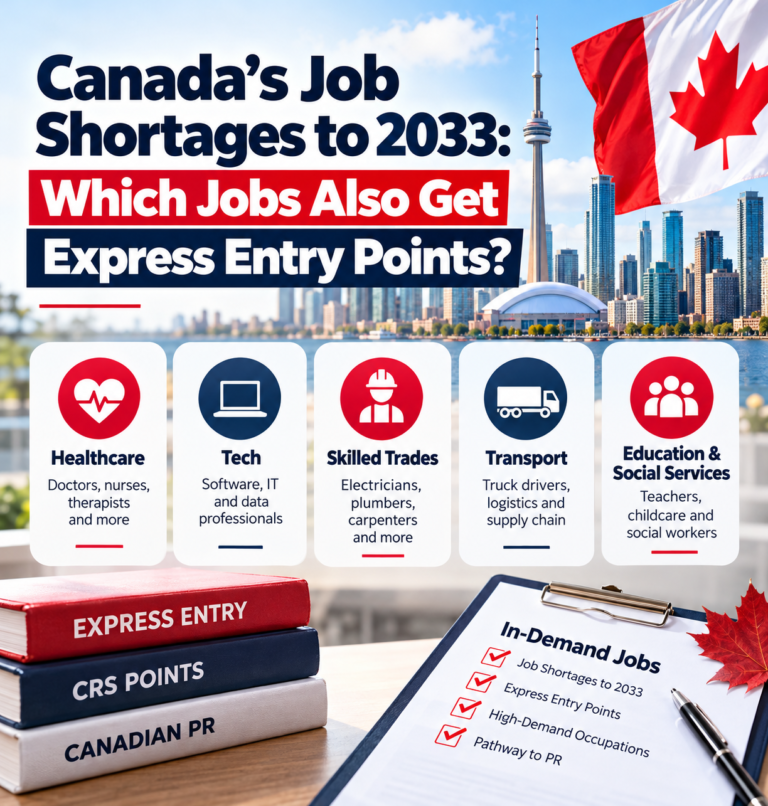
Canada’s labour market continues to face shortages in several industries, including healthcare, trades, education, technology, and transportation. To address these shortages, the federal government is using Express Entry as one of its primary tools to attract skilled workers.
This means that qualified candidates still have strong opportunities to become permanent residents, especially if their skills align with Canada’s economic needs.
For many applicants, this is encouraging news because it confirms that Canada remains committed to welcoming talented individuals who can contribute to the country’s growth.
Category-Based Selection Remains Important
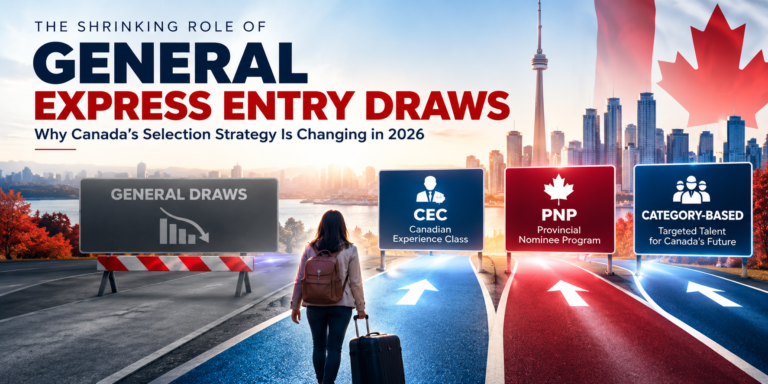
One of the biggest changes to Express Entry in recent years has been the introduction of category-based draws.
Rather than selecting candidates solely based on CRS scores, Immigration, Refugees and Citizenship Canada (IRCC) is increasingly targeting applicants with experience in priority occupations.
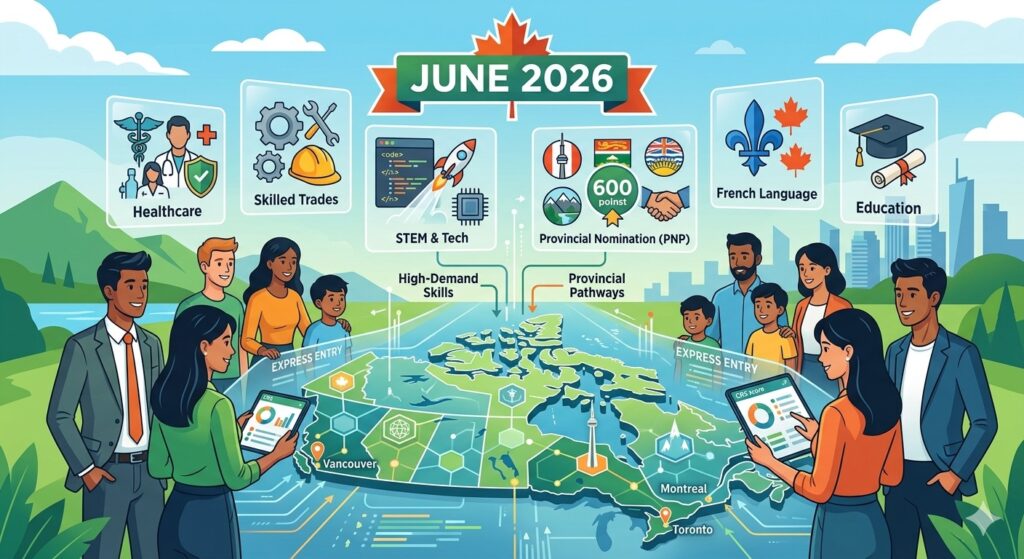
Some of the key categories continue to include:
- Healthcare occupations
- Skilled trades
- Education-related occupations
- Transport occupations
- STEM professions
- French-language proficiency
For candidates working in these fields, June 2026 presents valuable opportunities even if their CRS scores are not exceptionally high.
This shift demonstrates that Canada is focusing not only on scores but also on labour market needs.
CRS Scores Continue to Be Competitive
While category-based draws have created additional pathways, CRS scores remain an important factor in the Express Entry system.
Candidates in general draws continue to face competition from thousands of skilled workers across the world. As a result, maintaining a competitive CRS score is crucial.
If your CRS score is lower than recent invitation rounds, consider strategies such as:
- Improving your language test results
- Gaining additional work experience
- Completing higher education credentials
- Obtaining a provincial nomination
- Enhancing French language proficiency
- Securing a valid job offer where applicable
Even a small increase in CRS points can significantly improve your ranking within the pool.
Provincial Nominee Programs Are Becoming More Valuable
Many Express Entry candidates are also exploring Provincial Nominee Programs (PNPs).
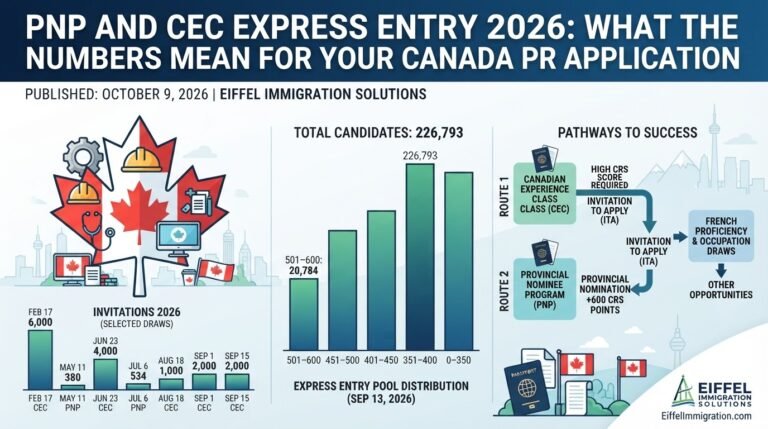
A provincial nomination remains one of the strongest ways to boost an Express Entry profile because it provides an additional 600 CRS points. This almost guarantees an invitation during a subsequent draw.
Several provinces continue to target workers in sectors experiencing labour shortages. Candidates who may not qualify directly through federal Express Entry draws often find success through provincial streams.
If you have ties to a specific province or work experience in an in-demand occupation, it may be worthwhile to explore provincial nomination opportunities alongside your Express Entry profile.
French Language Skills Offer a Major Advantage
One trend that continues in June 2026 is Canada’s focus on attracting French-speaking immigrants.
Candidates with strong French language abilities can benefit from:
- Additional CRS points
- Category-based Express Entry draws
- Increased provincial nomination opportunities
- Enhanced competitiveness in the Express Entry pool
Even applicants whose primary language is English may benefit from improving their French proficiency.
Many successful candidates have significantly increased their immigration prospects by investing time in French language training.
International Graduates Have Opportunities
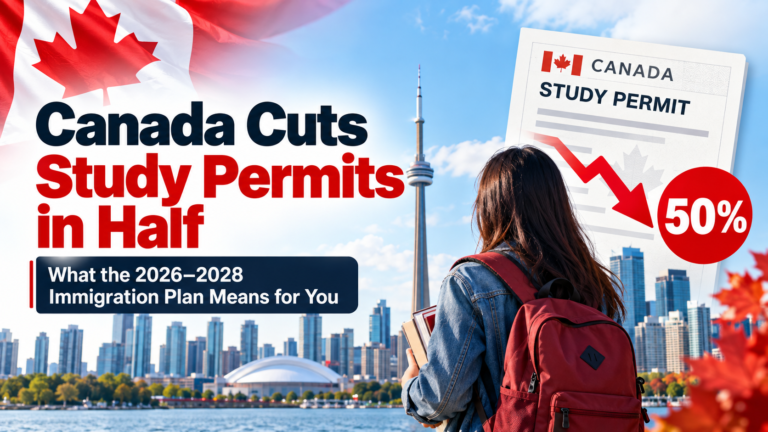
Canada remains an attractive destination for international students. Graduates who gain Canadian education and work experience often have strong pathways through Express Entry.
June 2026 continues to present opportunities for graduates who:
- Hold eligible Canadian credentials
- Possess skilled Canadian work experience
- Meet language requirements
- Maintain valid immigration status
For international graduates already living in Canada, Express Entry remains one of the most direct pathways toward permanent residence.
Why Candidates Should Not Delay
One common mistake we see among prospective applicants is delaying profile creation while waiting for “perfect” circumstances.
Creating an Express Entry profile allows candidates to:
- Enter the candidate pool
- Become eligible for future draws
- Receive consideration for category-based invitations
- Explore provincial nomination opportunities
Immigration policies and selection criteria can change over time. Candidates who are already in the pool are often better positioned to benefit from new opportunities when they arise.
Therefore, if you meet the eligibility requirements, it may be beneficial to create your profile as soon as possible rather than waiting.
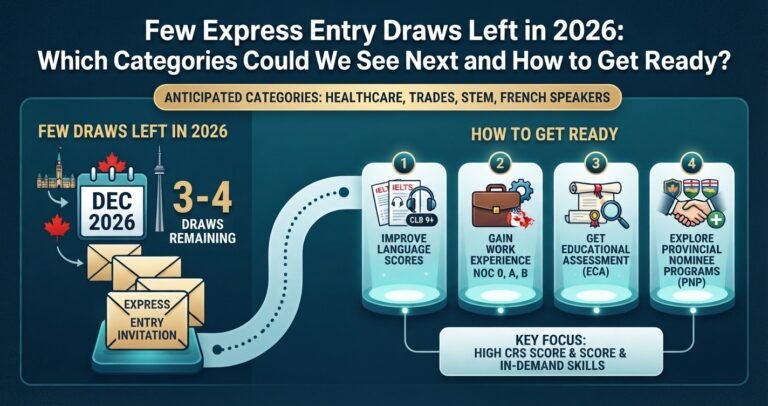
How to Strengthen Your Express Entry Profile in 2026
If you want to maximize your chances of receiving an ITA, consider the following steps:
1. Improve Language Scores
Language ability remains one of the most influential CRS factors. Higher IELTS, CELPIP, or French test scores can substantially increase your ranking.
2. Verify Educational Credentials
Ensure your Educational Credential Assessment (ECA) is completed and accurately reflects your qualifications.
3. Gain Additional Work Experience
Additional years of skilled work experience can improve your CRS score and eligibility.
4. Explore Provincial Nominee Programs
Research provinces that may be seeking workers with your skills and experience.
5. Update Your Profile Regularly
Keep your profile current with any new qualifications, work experience, language results, or family changes.
Final Thoughts
June 2026 brings both opportunities and challenges for Express Entry candidates. While CRS scores remain competitive, Canada’s continued reliance on skilled immigration, category-based draws, and provincial nomination programs creates multiple pathways to permanent residence.
Candidates who stay informed, maintain accurate profiles, and actively work on improving their qualifications will be in a stronger position to receive invitations and achieve their Canadian immigration goals.
The Canadian immigration system continues to evolve, but one thing remains clear: Express Entry remains one of the most important and effective pathways for skilled workers seeking permanent residence in Canada.
If you are considering applying through Express Entry or would like professional guidance on improving your profile, now is the ideal time to assess your options and prepare for future opportunities.