
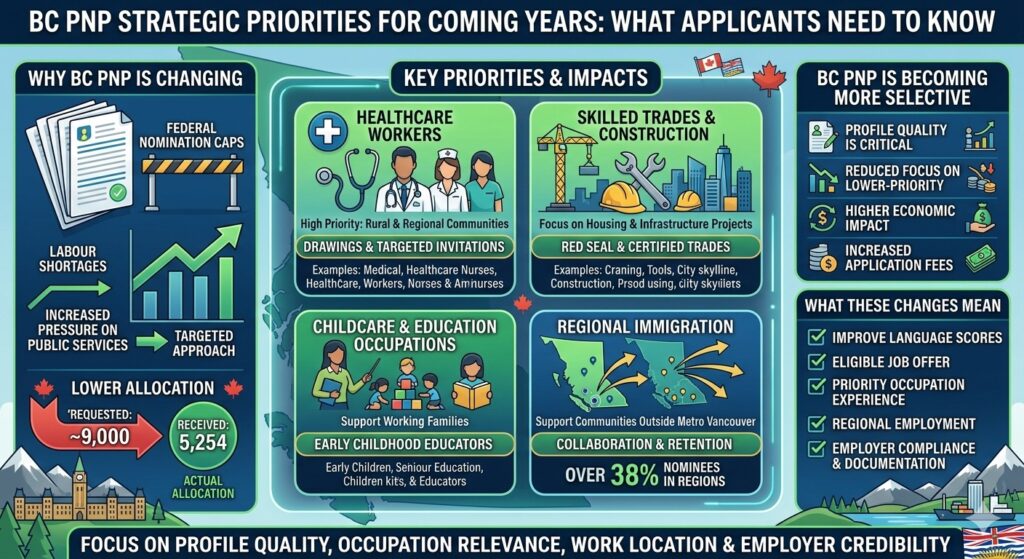
British Columbia is reshaping its immigration strategy for the years ahead, and the changes could significantly impact thousands of prospective immigrants planning to apply through the BC Provincial Nominee Program. With reduced federal nomination allocations, rising labour shortages, and increasing pressure on public services, the province has announced a more targeted and strategic approach to economic immigration.
The new direction confirms that the BC PNP will now prioritize healthcare, construction, childcare, public services, and high-impact economic occupations while becoming more selective overall. For applicants hoping to secure permanent residence in Canada through British Columbia, understanding these priorities is now more important than ever.
Why BC PNP Is Changing Its Immigration Strategy
British Columbia has long relied on immigration to fill labour shortages and support economic growth. However, recent federal reductions in Provincial Nominee Program allocations have forced provinces to rethink how nominations are distributed.
In 2026, British Columbia reportedly requested approximately 9,000 nominations but received only 5,254 spots from the federal government. This lower allocation has pushed the province to focus on sectors facing the most urgent workforce shortages.
As a result, the province is narrowing its focus toward candidates who can make an immediate contribution to B.C.’s economy and public infrastructure.
According to the province’s official updates, the program will increasingly target workers who support healthcare systems, childcare services, skilled trades, infrastructure projects, and regional communities outside Metro Vancouver.
Key Strategic Priorities Under BC PNP
1. Healthcare Workers Will Remain a Major Priority
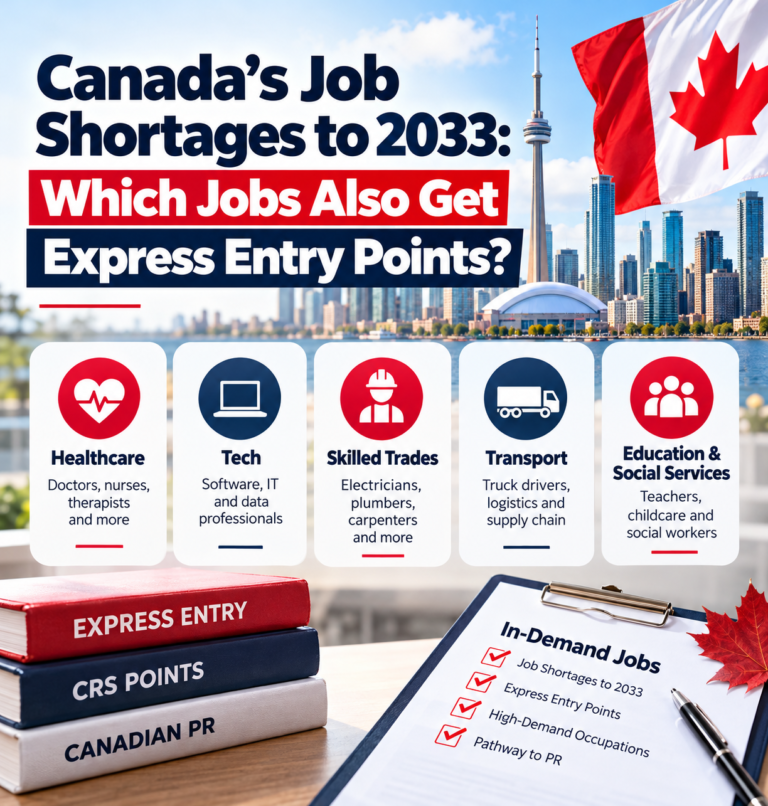
Healthcare continues to be one of the strongest priority sectors under the BC PNP. The province has emphasized the urgent need for healthcare professionals across multiple occupations, especially in rural and regional communities.
Recent provincial data shows that the BC PNP supported nominations for thousands of healthcare professionals, including doctors, nurses, nurse practitioners, and allied healthcare workers.
Occupations expected to remain highly prioritized include:
- Registered nurses
- Licensed practical nurses
- Physicians
- Healthcare aides
- Medical laboratory technologists
- Allied health professionals
The province has also indicated that healthcare-focused draws and targeted invitations will continue moving forward.
2. Skilled Trades and Construction Occupations Gain More Attention
One of the most significant announcements is the province’s increased focus on construction and infrastructure-related occupations.
British Columbia is currently facing major labour shortages in construction due to housing development projects, infrastructure expansion, and retirement trends within the skilled trades workforce.
The province has confirmed that construction and certified trades workers will continue receiving targeted support through the BC PNP.
High-demand occupations may include:
- Electricians
- Plumbers
- Carpenters
- Welders
- Heavy-duty equipment mechanics
- Construction supervisors
Applicants working in Red Seal or certified trade occupations may benefit from stronger selection opportunities in future draws.
3. Childcare and Education Occupations Stay Important
The BC government has repeatedly highlighted childcare shortages as a key economic concern. To support working families and workforce participation, the BC PNP continues prioritizing early childhood educators and childcare professionals.
Recent program updates confirmed that thousands of childcare workers have already been nominated through the program.
This means candidates with experience in:
- Early childhood education
- Childcare supervision
- Educational support services
could continue seeing stronger immigration opportunities under the BC PNP.
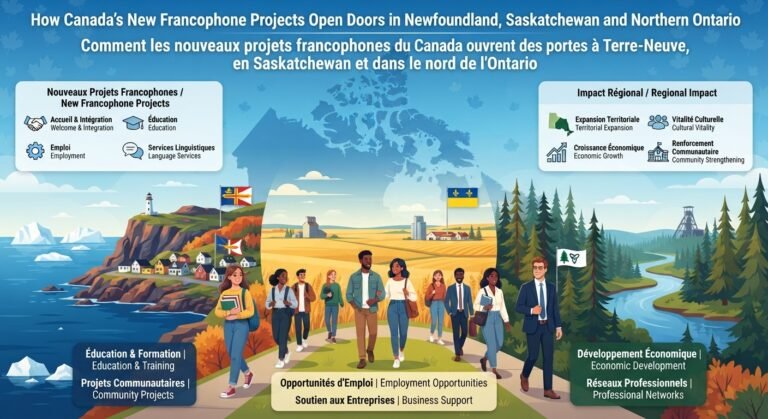
4. Regional Immigration Will Become More Important
Another major strategic direction involves increasing support for regional communities outside the Greater Vancouver area.
British Columbia wants immigration benefits distributed more evenly across smaller communities that face serious labour shortages and population decline.
The province’s Regional Immigration Collaboration initiative is designed to help smaller communities attract and retain foreign workers and entrepreneurs.
Current data already shows that more than 38% of BC PNP nominees are working in regional communities.
This means candidates working outside Metro Vancouver may receive stronger consideration in future nomination rounds.
5. BC PNP Is Becoming More Selective
While priority sectors are expanding, the reality is that the overall BC PNP system is becoming more competitive.
Recent updates suggest the province is reducing focus on lower-priority occupations while emphasizing “high economic impact” candidates.
Some immigration pathways have already been reduced or closed, including entry-level and lower-skilled categories.
Additionally, the BC PNP has:
- Increased application fees
- Expanded integrity measures
- Updated priority occupation lists
- Increased scrutiny on employers and occupations
For applicants, this means profile quality, occupation relevance, work location, and employer credibility will play a larger role in selection decisions.
The future of the BC PNP is clearly moving toward a more strategic and labour-mar
What These Changes Mean for Future Applicants
ket-focused system.
Candidates who may benefit the most include:
- Healthcare professionals
- Skilled trades workers
- Early childhood educators
- High-skilled workers in priority industries
- Applicants working in regional B.C. communities
On the other hand, applicants in lower-demand occupations may face increased competition and fewer invitations.
Prospective immigrants should now focus on:
- Improving language scores
- Securing eligible job offers
- Gaining experience in priority occupations
- Exploring regional employment opportunities
- Ensuring employer compliance and strong documentation
Final Thoughts
The latest strategic priorities announced under the BC PNP show that British Columbia is moving toward a more targeted and selective immigration model. Rather than broad-based invitations, the province is concentrating its limited nomination spaces on sectors that directly support healthcare, infrastructure, childcare, and economic growth.
For skilled workers in high-demand occupations, these changes may create strong long-term opportunities. However, competition is expected to intensify as nomination allocations remain limited.