

For many international students, the dream of coming to Canada is not just about earning a diploma or degree—it is about building a long-term future. Over the past few years, immigration programs have changed significantly, making the journey from Study Permit to PR more challenging than before.
Many students are now asking the same question:
“Is it still possible to get PR after studying in Canada?”
The simple answer is yes.
While some pathways have become more competitive, there are still several realistic options available for students who plan carefully and understand the current immigration landscape.
As immigration professionals who have been helping students and families for over a decade, we continue to see successful transitions from Study Permit to PR every year. The key is understanding what works in 2026 and preparing early.
Why the Study Permit to PR Pathway Is Changing
Canada remains one of the most attractive destinations for international students. However, increased demand has led the government to introduce changes aimed at managing immigration levels and addressing labour market needs.
Some of the major changes include:
- Higher competition in Express Entry
- More emphasis on skilled work experience
- Provincial Nominee Programs (PNPs) targeting specific occupations
- Greater focus on French-language proficiency
- Increased scrutiny of educational institutions and programs
These changes do not eliminate opportunities. Instead, they reward applicants who have a clear plan from the beginning.
Step 1: Choose the Right Program and Institution
The first step in a successful Study Permit to PR journey starts before you even arrive in Canada.
Not all educational programs provide the same immigration benefits.
Students should focus on:
- Eligible programs at designated learning institutions (DLIs)
- Programs that qualify for a Post-Graduation Work Permit (PGWP)
- Fields aligned with labour market shortages
- Programs that lead to skilled employment opportunities
Choosing a program solely because it is inexpensive can create challenges later when seeking employment or PR eligibility.
Step 2: Obtain a Post-Graduation Work Permit (PGWP)
For most international students, the PGWP remains one of the most important bridges between education and permanent residency.
The PGWP allows graduates to:
- Gain valuable Canadian work experience
- Work for most employers across Canada
- Improve their Comprehensive Ranking System (CRS) score
- Qualify for various provincial nomination programs
Canadian work experience continues to be one of the strongest factors in PR applications.
Step 3: Gain Skilled Work Experience
One of the biggest mistakes students make is waiting too long to find relevant employment after graduation.
In 2026, skilled work experience is more important than ever.
Students should aim to secure jobs that fall under:
- TEER 0 – Management occupations
- TEER 1 – Professional occupations
- TEER 2 – Technical and skilled trades occupations
- TEER 3 – Skilled support occupations
The more relevant work experience you gain, the stronger your immigration profile becomes.
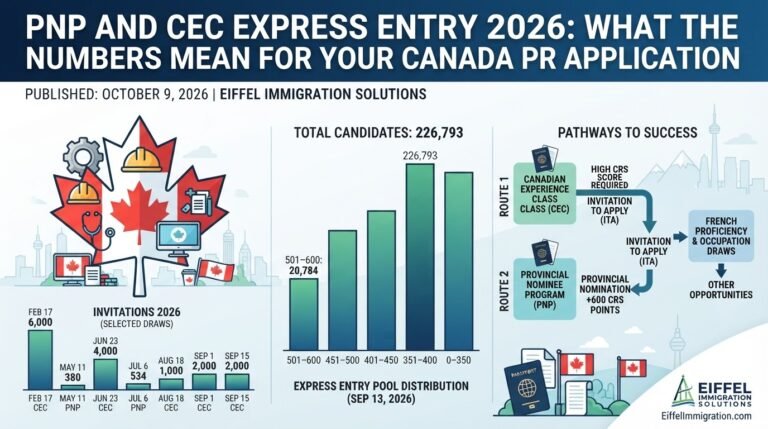
Express Entry: Still a Strong Option
Despite higher CRS scores in recent years, Express Entry remains one of the most popular pathways from Study Permit to PR.
Express Entry considers factors such as:
- Age
- Education
- Language ability
- Canadian work experience
- Foreign work experience
- Adaptability factors
Students who combine Canadian education with skilled work experience often remain competitive candidates.
Additionally, category-based selections continue to create opportunities for candidates working in priority sectors.
Provincial Nominee Programs (PNPs): A Major Opportunity
Many successful PR applicants in 2026 are obtaining permanent residence through Provincial Nominee Programs.
Each province has different streams designed to attract graduates and workers who meet local labour market needs.
Popular provinces include:
- Ontario
- British Columbia
- Alberta
- Saskatchewan
- Manitoba
- Nova Scotia
A provincial nomination can significantly improve your chances of receiving an invitation for permanent residence.
For many students, a PNP nomination has become the most realistic route from Study Permit to PR.
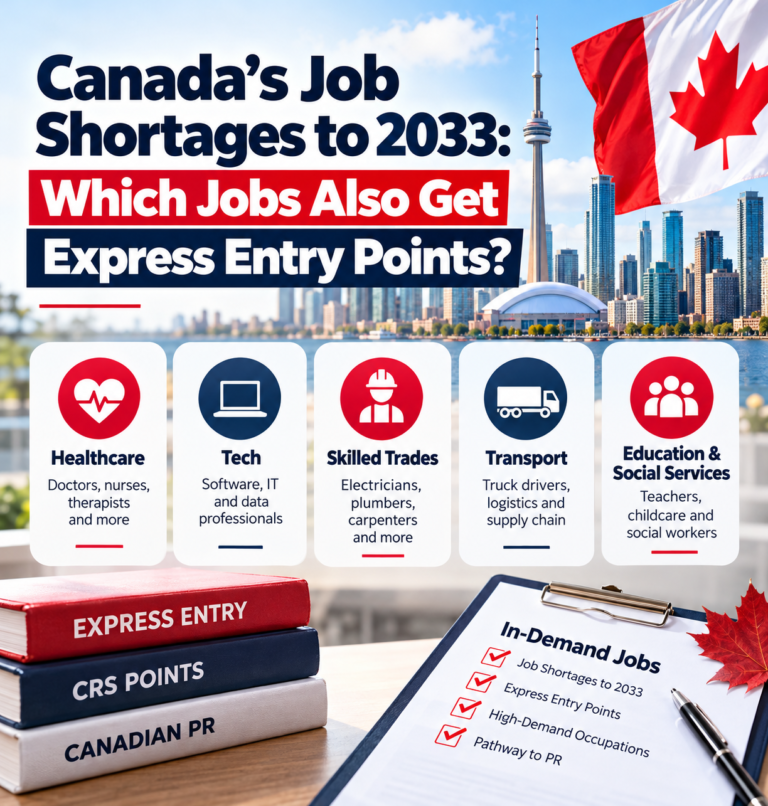
In-Demand Occupations Are Receiving More Attention
Canada continues to prioritize workers in sectors experiencing labour shortages.
Examples include:
Healthcare
- Registered nurses
- Personal support workers
- Medical laboratory technologists
- Pharmacists
Skilled Trades
- Electricians
- Welders
- Plumbers
- Carpenters
Technology
- Software developers
- Data analysts
- Cybersecurity professionals
Education
- Early childhood educators
- Teachers
Students pursuing careers in these fields may benefit from targeted immigration opportunities.
French Language Can Create Additional Opportunities
One of the most overlooked advantages in 2026 is French-language proficiency.
Even moderate French skills can significantly improve immigration prospects.
Benefits may include:
- Additional CRS points
- Eligibility for French-language category-based draws
- Access to specialized provincial programs
For students willing to invest time in language training, French can become a valuable immigration asset.
Common Mistakes Students Should Avoid
Over the years, we have seen several recurring mistakes that delay or prevent successful PR applications.
Choosing a Program Without an Immigration Plan
Students should understand how their educational program fits into their long-term goals.
Ignoring Language Scores
Strong language test results remain one of the fastest ways to improve PR eligibility.
Waiting Too Long to Gain Work Experience
Early career planning can make a significant difference.
Missing Immigration Deadlines
Applications for PGWPs and other permits must be submitted on time.
Relying on Social Media Rumours
Immigration policies change frequently. Always verify information through trusted sources and qualified professionals.
What We Are Seeing in Study Permit to PR Journey in 2026
Based on our experience assisting international students, successful applicants typically share several characteristics:
- They plan their immigration pathway early.
- They choose programs linked to employment opportunities.
- They gain relevant Canadian work experience.
- They continuously improve language scores.
- They remain flexible regarding province and occupation.
The students who succeed are not necessarily those with the highest grades—they are often the ones who understand the immigration process and prepare strategically.
Final Thoughts
Canada continues to welcome talented international graduates who can contribute to the economy and communities across the country. The key is making informed decisions from the beginning of your educational journey i.e., Study Permit to PR.
If your goal is permanent residence, every decision—from selecting a college program to accepting your first job offer—can influence your future immigration options. (Study Permit to PR).
With proper planning, the transition from Study Permit to PR remains one of the most achievable routes to building a successful life in Canada.