
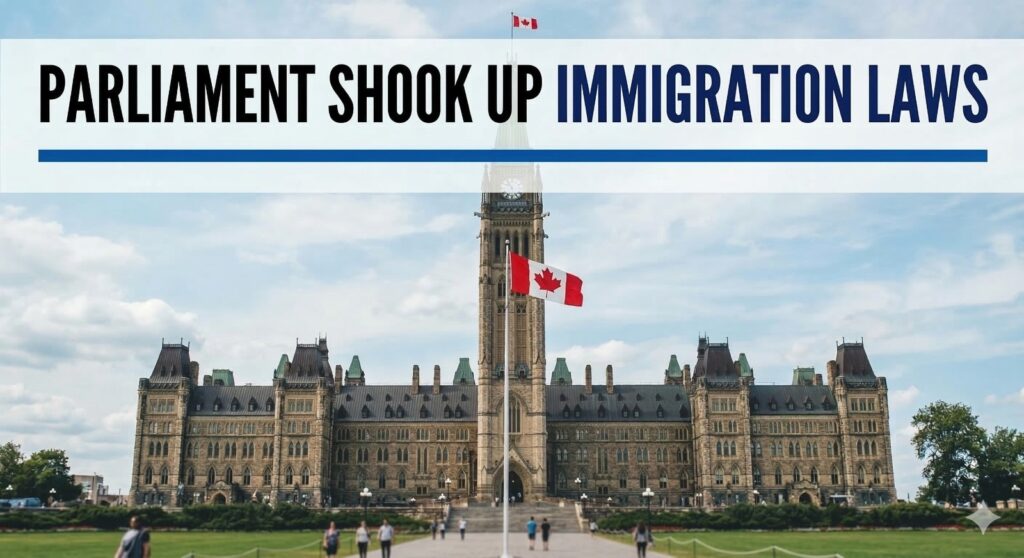
Canada’s immigration system is going through one of the biggest legal changes in recent years, and it directly affects people making a refugee claim.
A proposed law called Bill C‑12 is moving through Parliament and could significantly change who can apply for refugee protection, when they must apply, and how claims are reviewed.
This week brought an important development: new amendments were made in the Senate on Tuesday, pushing the bill closer to becoming law.
Immigration rules can sound complicated, so here’s a clear, plain-English breakdown of the refugee bill update and what it means for people in Canada.
🚨 Breaking Update: What Happened This Week
Earlier this week, the Senate of Canada debated and approved amendments to Bill C-12.
Key updates from Tuesday include:
Stronger privacy protections
The Senate added measures to ensure that personal data collected by immigration authorities is handled with stronger safeguards, especially when information is shared between government departments.
Additional oversight on aslyum restrictions
Some amendments introduced greater oversight and review mechanisms when aslyum claims are rejected under the new rules.
Bill sent back to the House of Commons
Because the Senate made changes, the bill must now return to the House of Commons of Canada for final approval.
If Members of Parliament accept the amendments, the bill will move to Royal Assent and officially become law.
Timeline: How Bill C-12 Reached This Stage
Understanding the timeline helps explain where the refugee bill currently stands.
June 2025
The federal government introduced Bill C-12 as part of broader immigration reforms.
Late 2025
The House of Commons debated the bill and passed it to the Senate for further review.
Early 2026
The Senate studied the bill, heard expert testimony, and proposed amendments.
March 2026 (This Week)
The Senate passed the amended bill and returned it to the House of Commons.
The next step is final approval by MPs, which would make the legislation official.
What Is Bill C-12?
Bill C-12 proposes changes to Canada’s immigration law, specifically the Immigration and Refugee Protection Act.
The goal of the bill is to:
-
Strengthen border enforcement
-
Reduce misuse of immigration programs
-
Speed up immigration processing
-
Add stricter rules for refugee claims
Supporters say these changes will improve efficiency and reduce abuse of the system, while critics worry they could make it harder for genuine asylum seekers to receive protection.
The Biggest Refugee Changes in Bill C-12
Here are the most important rule changes explained in simple language.
1. A New One-Year Deadline for Refugee Claims
One of the most controversial changes is the one-year deadline for asylum applications.
What it means
If someone is already in Canada and wants to apply for asylum protection, they must submit their claim within one year of arriving in Canada.
If they apply after one year:
-
Their claim may not go to a full refugee hearing
-
Instead, they may only receive a risk review process
A full hearing normally takes place at the Immigration and Refugee Board of Canada, where applicants can present evidence and testimony.
Without that hearing, the person may have fewer opportunities to explain their situation.
2. Two New Grounds That Can Make a Refugee Claim Ineligible
Bill C-12 also introduces two new situations where a asylum claim may be declared ineligible.
Ground #1 — Late refugee claims (after 12 months)
If a person has been in Canada for more than one year before making a asylum claim, they may be prevented from accessing the full refugee determination process.
Instead, they may only receive a Pre-Removal Risk Assessment, which is a more limited review.
Ground #2 — Claims after entering from the United States
Another restriction applies to individuals who enter Canada from the United States but do not immediately make a refugee claim.
If a person enters Canada from the U.S. and waits more than 14 days before filing a refugee claim, they may be declared ineligible for the standard asylum process.
This rule connects to the Safe Third Country Agreement, which requires asylum seekers to claim protection in the first safe country they enter.
3. Government Gains Power to Cancel Immigration Documents
Bill C-12 also gives the government broader authority to cancel certain immigration documents.
These include:
-
Study permits
-
Work permits
-
Visitor visas
-
Other temporary status documents
In some cases, the government may cancel these documents for groups of people instead of reviewing each case individually.
Supporters argue this will help combat large-scale immigration fraud, while critics say it could create uncertainty for migrants.
Why the Government Wants These Changes
According to officials, the refugee system currently faces major challenges, including:
-
A growing backlog of refugee claims
-
Irregular border crossings
-
Immigration fraud in some programs
The government says the new rules will speed up processing and protect the integrity of Canada’s immigration system.
Why Some Experts Are Concerned
Human-rights groups and immigration lawyers have raised concerns about the bill.
They argue that:
-
The one-year deadline could block legitimate refugee claims
-
Retroactive rules may create unfair outcomes
-
Limiting hearings could weaken procedural fairness
Critics say refugees often delay claims due to fear, trauma, or lack of legal advice, so strict deadlines could hurt vulnerable people.
What Refugee Claimants Should Do Now
If you are considering making a refugee claim in Canada, these changes make preparation more important than ever.
Apply as early as possible
Because the proposed law introduces a one-year deadline, delaying a refugee claim could prevent access to the full hearing process. Applying early protects your right to present your case.
Gather strong documentation
Refugee claims rely heavily on evidence such as identity documents, personal statements, and proof of risk in your home country. Preparing these documents early strengthens your case.
Seek professional advice
Immigration laws are changing quickly, and a mistake in the process could affect your eligibility. Professional guidance can help ensure your claim is properly prepared and submitted on time.
Final Thoughts
The proposed changes under Bill C-12 could significantly reshape Canada’s refugee system, affecting how and when people can seek protection.
While the government says the law will strengthen border control and improve efficiency, critics worry it could make the process harder for vulnerable refugees.
With the bill now returning to the House of Commons after Senate amendments, Canada may soon see one of the most significant refugee policy changes in years.