
Canada is preparing a major overhaul of Express Entry, and the changes being discussed could completely reshape how candidates are selected for permanent residence.
At the center of this transformation is the CRS (Comprehensive Ranking System)—the scoring system that determines who gets invited to apply.
From eliminating existing programs to rewarding high-wage occupations, the direction is clear:
If you’re planning to apply in 2026 or beyond, here’s everything you need to know.
The current CRS system evaluates candidates based on:
- Age
- Education
- Language ability
- Work experience
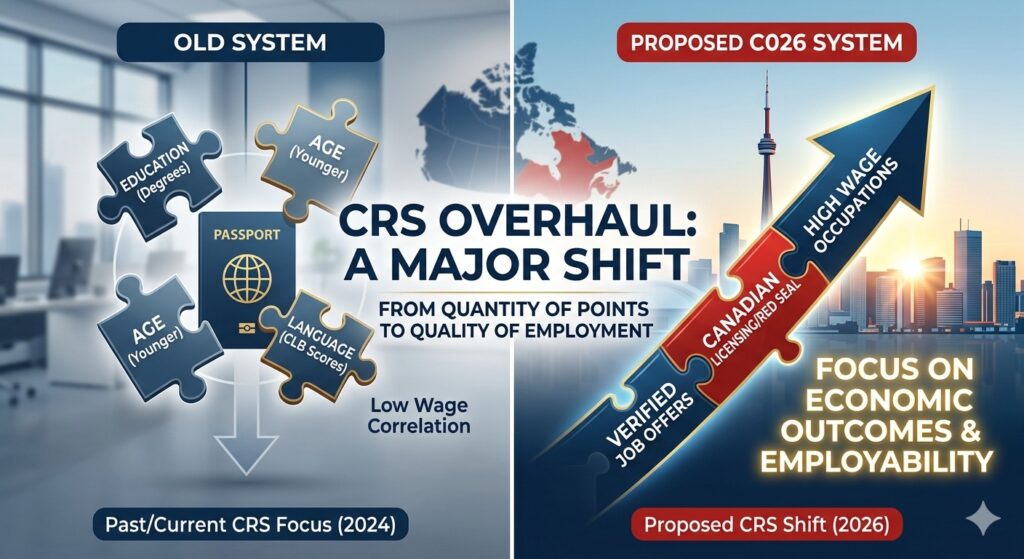
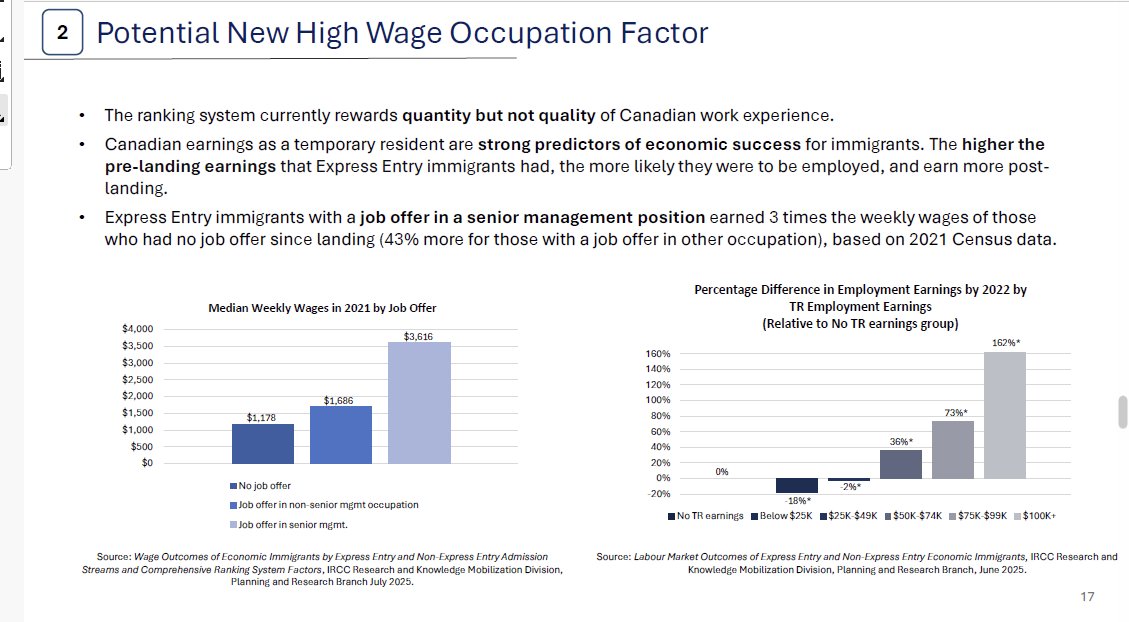
While effective, it has one major flaw: It prioritizes quantity over quality.
Recent policy insights suggest that:
- Higher earnings are a stronger predictor of success than years of experience
- Candidates with job offers perform significantly better economically
- Many immigrants face delays entering regulated professions
This has pushed policymakers to rethink how CRS points should be awarded.
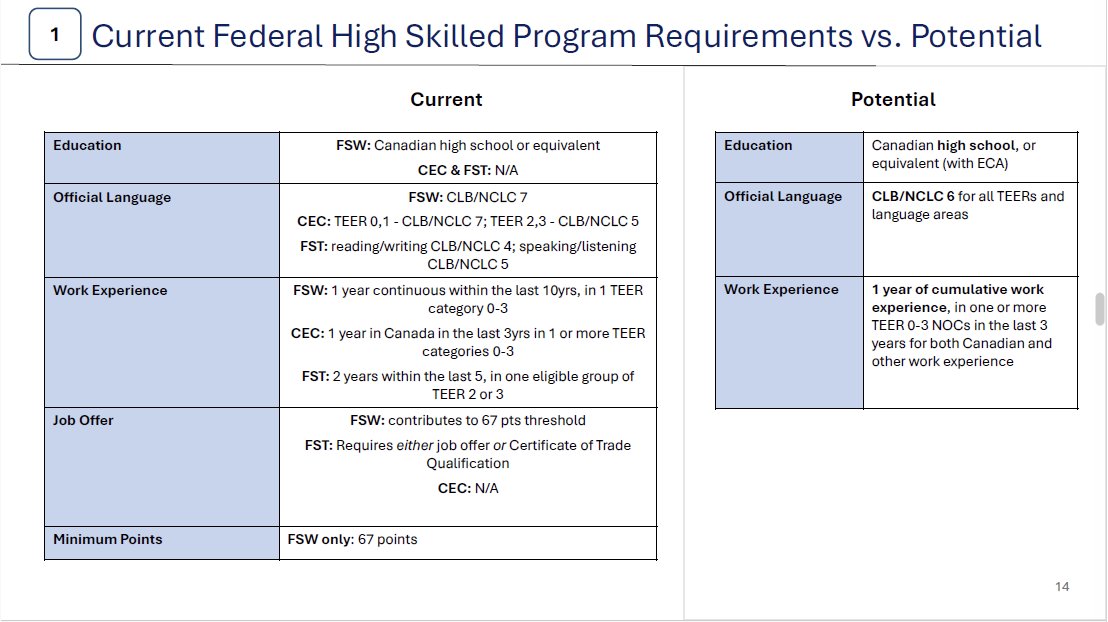
One of the most significant structural changes under consideration is the elimination of the current three-program structure within Express Entry.
- Federal Skilled Worker (FSW)
- Canadian Experience Class (CEC)
- Federal Skilled Trades (FST)
These programs currently operate with different eligibility rules and pathways, often creating confusion for applicants.
In place of these programs, Canada is proposing a single unified stream:
🎯 Federal High-Skilled Class
This new system would:
- Introduce one standard eligibility framework
- Eliminate program-based differences
- Make CRS the core selection mechanism
The system becomes simpler—but also more competitive and strategic.
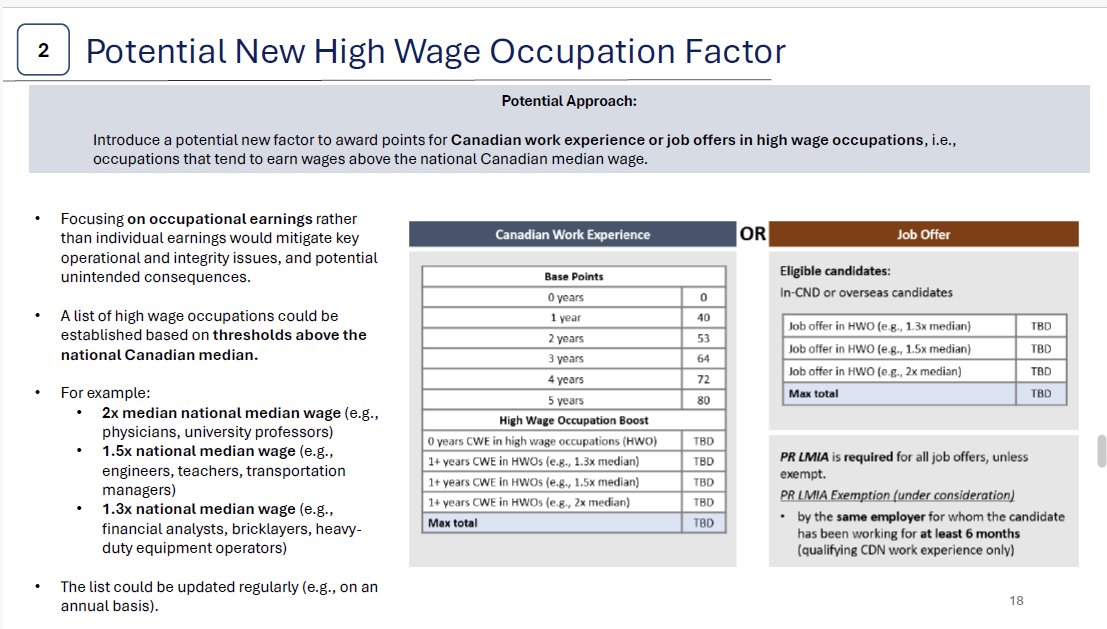
A key proposed reform is introducing CRS points for high-wage occupations.
Candidates could receive additional points if they:
- Work in occupations earning above the Canadian median wage
- Have job offers with high salary thresholds
- 2x median wage → doctors, senior managers
- 1.5x median wage → engineers, teachers
- 1.3x median wage → trades, technical roles
This is a major shift from:
❌ “How long you worked”
➡️ To
✔ “How valuable your work is”
Candidates with higher earnings are:
- More likely to succeed
- More likely to stay employed
- Stronger contributors to Canada’s economy
CRS points for job offers were previously removed—but they are now expected to return in a more targeted way.
- Points linked to salary levels
- Higher rewards for high-wage job offers
- Possible flexibility for candidates already working in Canada
- Job offers could once again become a decisive factor
- Employers will play a larger role in immigration
- Candidates without job offers may face increased competition
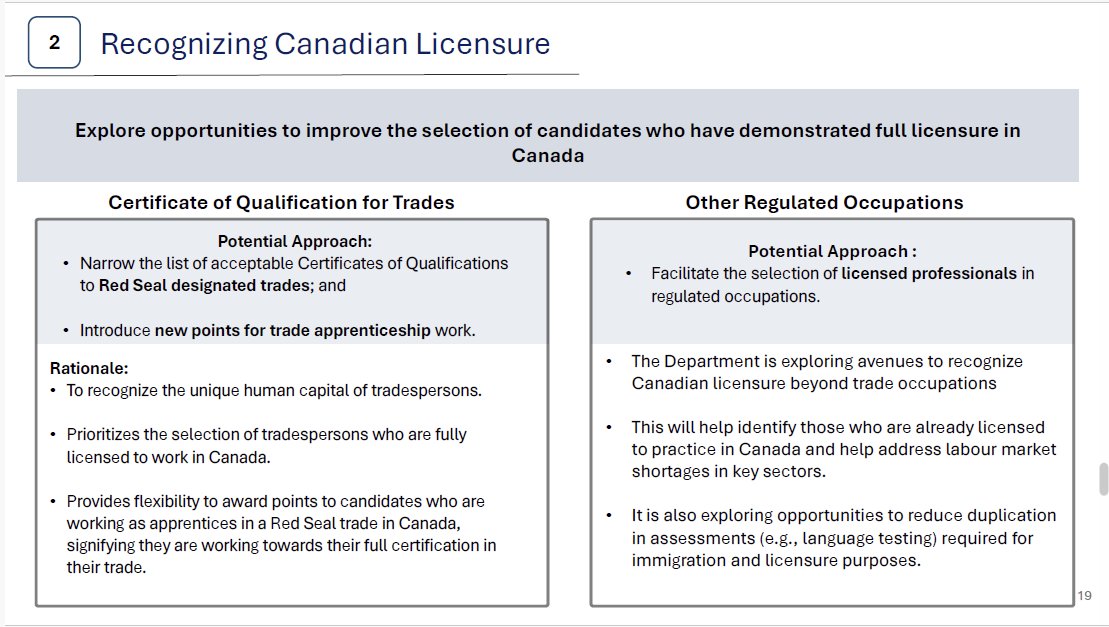
Another critical reform is the recognition of Canadian licensing.
- Points for Red Seal trades certification
- Recognition of regulated professions
- Additional credit for apprenticeship experience
Currently, many candidates have strong profiles but cannot immediately work in their field. By rewarding licensing, Canada ensures:
- Faster workforce integration
- Reduced underemployment
- Better alignment with labour shortages
The new system may also simplify how candidates qualify.
- Language requirement: CLB 6 across all TEER levels
- Work experience: 1 year cumulative (not continuous), applicable to both Canadian and foreign work
- More candidates may become eligible
- But selection will rely even more heavily on CRS ranking
📞 Check My Eligibility — Free Call
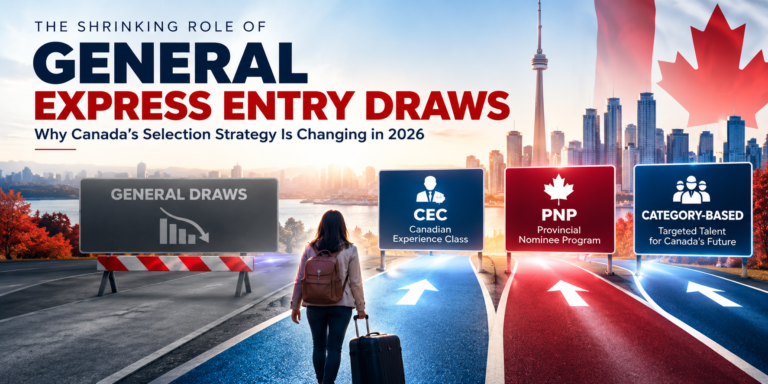
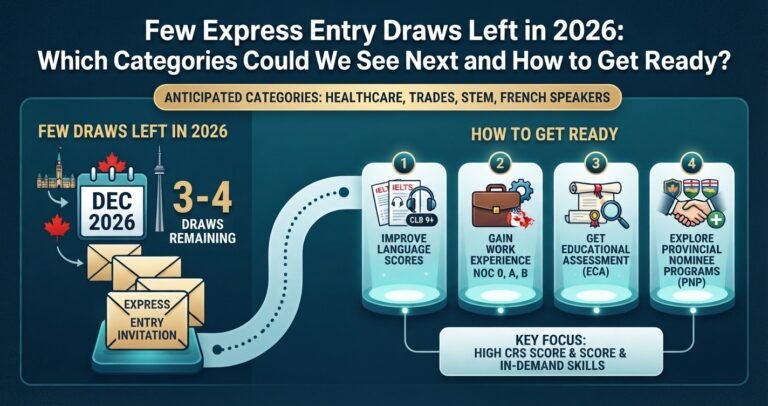
Canada is already using targeted draws, and this trend will only grow stronger.
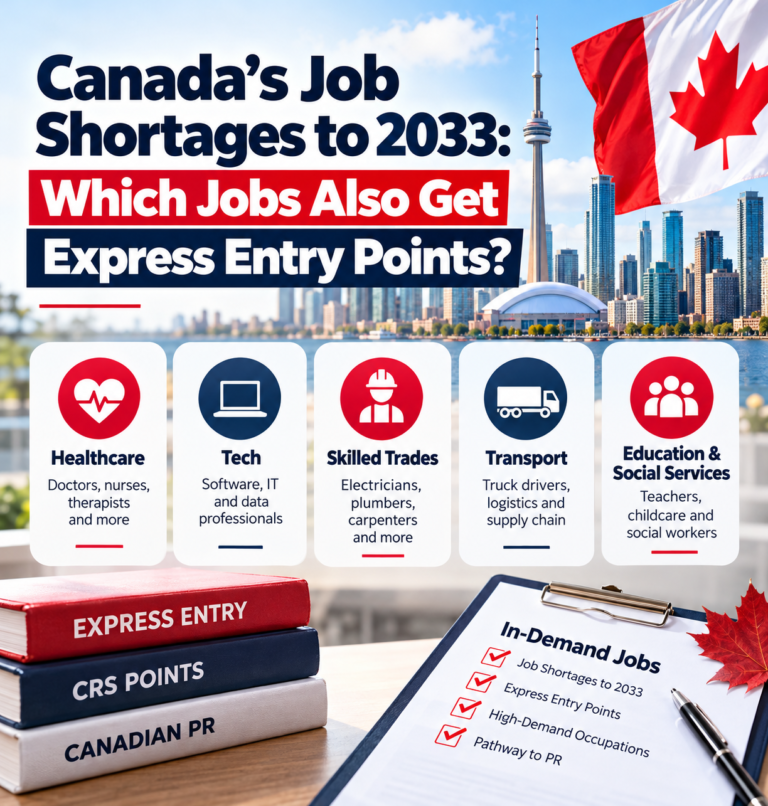
- Healthcare
- STEM
- Skilled trades
- Transport
- French-language proficiency
- Doctors
- Researchers
- Senior management roles
Category-based draws can lower CRS cut-offs significantly and increase chances for specific occupations.
👉 This means your occupation matters as much as your CRS score
The most important takeaway is this:
Instead of just evaluating potential, Canada is prioritizing:
- Earnings
- Employability
- Job readiness
- ✓ Work in a high-paying occupation
- ✓ Have a valid job offer
- ✓ Hold Canadian licensing
- ✓ Fit into a priority category
- Rely only on foreign work experience
- Work in lower-wage roles
- Are outside targeted sectors
To stay competitive, your strategy must evolve. Focus on:
- ✓ Securing a high-wage job
- ✓ Getting a valid job offer
- ✓ Gaining Canadian work experience
- ✓ Obtaining professional licensing
- ✓ Aligning with category-based draws
These proposed changes signal a clear direction:
- More weight on earnings and job offers
- Greater focus on labour market needs
- Less emphasis on program categories
The introduction of a Federal High-Skilled Class and restructuring of CRS could mark the biggest Express Entry transformation in years.
👉 Express Entry is no longer just about qualifying
👉 It’s about being economically valuable to Canada
The Sky Is The Limit — and we’ll help you get there. 🍁
Navigating Canada’s evolving immigration landscape with precision and expertise.