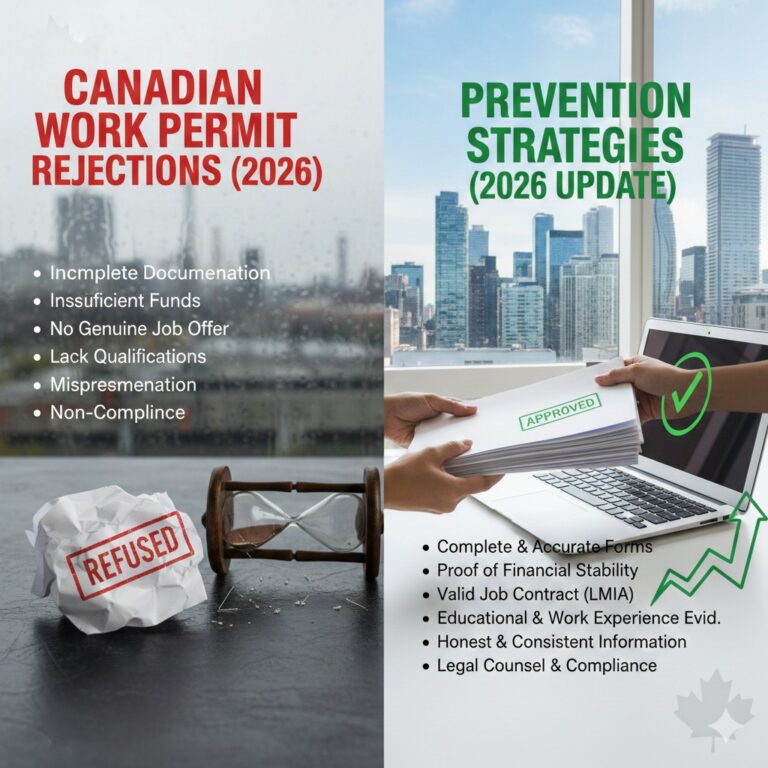


If you’re aiming for Canadian permanent residence through the upcoming new TR to PR pathway, preparing your documents early is not optional—it’s essential.
When the first Temporary to Permanent Residence (TR to PR) Pathway launched in 2021, it filled its quota within the same day.
Many eligible applicants missed out simply because they didn’t have their language tests, police certificates, or key documents ready. With a new pathway to permanent residence expected to open for 33,000 temporary residents in 2026–2027, early preparation can determine whether you secure your spot—or miss the window again.
Below is a complete guide (updated for 2026) on the documents you must prepare now to maximize your chances of successfully applying for permanent residence.
Why Early Preparation Matters for Permanent Residence
IRCC programs like TR to PR often have:
-
Strict caps
-
Short application windows
-
Document validity rules
-
High competition
Some documents—such as police certificates—may take months to obtain. Others, like language tests, have limited availability or long wait times. Preparing everything in advance helps ensure you can submit your Permanent Residence application the moment the program opens.
Full Document Checklist for the New TR to PR Pathway to Permanent Residence
1. Proof of Language Proficiency
Required documents:
-
CELPIP-General
-
IELTS General Training
-
PTE Core
-
TEF Canada
-
TCF Canada
Key notes:
-
Must be from an IRCC-approved test centre.
-
Results are valid for 2 years—ensure yours will still be valid when the TR to PR program opens.
-
Book your test early to avoid delays.
➡️ Tip: Book your CELPIP test now to secure availability.
2. Proof of Criminal Background Check (Police Certificates)
Required for:
-
You and all family members aged 18+
-
Each country lived in for 6+ consecutive months in the last 10 years
Validity:
-
Current country: certificate must be issued within 6 months of applying.
-
Previous countries: certificate must be issued after your last stay.
Why prepare now?
Processing times in some countries can take weeks to several months.
3. Proof of Education
Depending on whether your education is Canadian or foreign:
For foreign education:
-
Educational Credential Assessment (ECA) – Valid for 5 years
For Canadian education:
-
Final transcripts
-
Proof of graduation
4. Travel History
Documents include:
-
Travel logs
-
Passport stamps
-
Airline booking confirmations
You must list all trips taken in the last 10 years or since age 18 (IMM 5562). Officers compare this with background checks, so accuracy matters.
5. Support of Employment
IRCC uses employment documents to verify:
-
NOC duties
-
Work experience duration
-
Hours worked
-
Eligibility for programs targeting specific occupations
Documents to prepare:
-
Detailed employer reference letters (mandatory)
-
T4s/NOAs (for Canadian work)
-
Employment contracts
-
Pay stubs
6. Proof of Current Employment in Canada
If the pathway requires current employment, prepare:
-
Valid work permit
-
Current employer reference letter
-
Recent pay stubs
-
Employment contract
7. Organizational Affiliations
For IMM 5669 (Schedule A), prepare:
-
Membership or volunteer history
-
List of charities, organizations, clubs
-
Proof of donations
-
Reference letters
Note: This section covers your entire lifetime, not just the last 10 years.
8. Passports
Prepare:
-
Full scanned copies of all passport pages
-
Ensure your passport will not expire during processing
9. Identity & Civil Status Documents
These confirm your identity and family relationships:
-
Birth certificates
-
Marriage certificates
-
Adoption records
-
Name change documents
If your documents are not in English or French, include:
-
Certified translation OR
-
Translation + sworn translator affidavit
Documents for Applicants Inside Canada
10. Proof of Status
- Provide:
-
Valid work permit, study permit, or visitor record
-
Entry stamps
-
Electronic entry records
-
Proof of maintained status, if applicable
- Documents for Accompanying Family Members
- Required for spouse/partner and dependent children
-
Passports
-
Birth certificates
-
Marriage / civil status documents
-
Travel history logs
-
Police certificates (18+)
Documents Required Only in Certain Situations
- Letter of Explanation (LOE)
Use an LOE to clarify:
-
Missing documents
-
Gaps in employment or address history
-
Inconsistencies in names or dates
-
Country-specific document issues
Proof of Common-Law Relationship
- Provide:
-
IMM 5409
-
Joint lease, bills, bank accounts, or insurance
Name Change Certificates
- If applicable, provide certified documents.
How to Prepare Your PR Documents Efficiently
- ✔ Scan & Label Clearly
- Use naming format:
DocumentType_LastName_FirstName_YYYY-MM-DD - ✔ Track Validity Periods
-
Language test: valid 2 years
-
ECA: valid 5 years
-
Police certificates: time them carefully
-
Passport: must not expire during processing
✔ Follow IRCC Formatting Rules
- For employer letters:
-
Job title
-
Duties
-
Hours/week
-
Salary
-
Start/end dates
-
Company contact details
✔ Get Translations Done Properly
-
Certified translators preferred
-
Family members cannot translate
✔ Prepare a Detailed Travel Log
- This is one of the most commonly delayed sections.
- Final Word: Your TR to PR Permanent Residence Success Starts With Preparation
- The upcoming TR to PR pathway offers a rare chance to transition from temporary status to Canadian permanent residence. With strict caps and overwhelming demand expected, your documents must be ready before the program launches.
- Preparing now improves your chances of:
-
Submitting within the short application window
-
Avoiding rejections due to missing or expired documents
-
Meeting IRCC’s strict evidence requirements
- If you need help preparing your documents or understanding eligibility, Eiffel Immigration is here to guide you with expert, licensed support.